
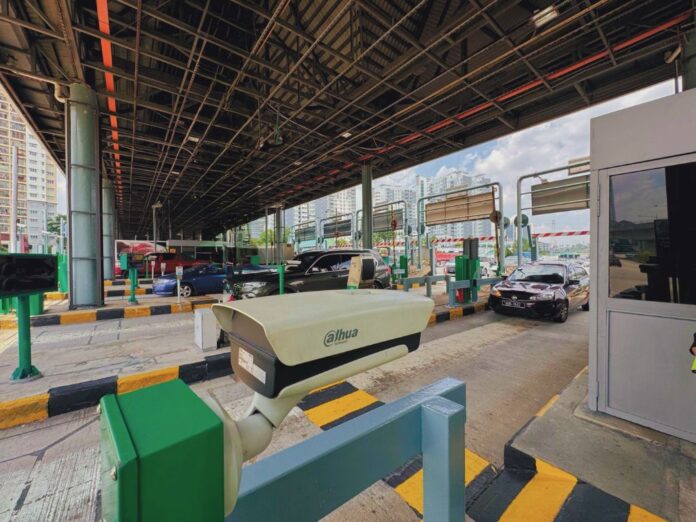
Imagine cruising down the highway without needing to slow down at the toll booth. No more winding queues. No more “Eh, where’s my Touch ’n Go card?” moments. Sounds futuristic? It’s already happening.
Malaysia has officially kicked off a new Automated Number Plate Recognition (ANPR) pilot system—starting with 13 toll plazas up north along the North–South Expressway (NSE). This is the country’s first major step toward a Multi-Lane Free Flow (MLFF) toll system. If all goes well, we’ll be driving through tolls like pros—no barriers, no boom gates—by 2027.
Let’s break it down, see what’s great, what’s still iffy, and why this matters (especially if you’re into property, like we are).
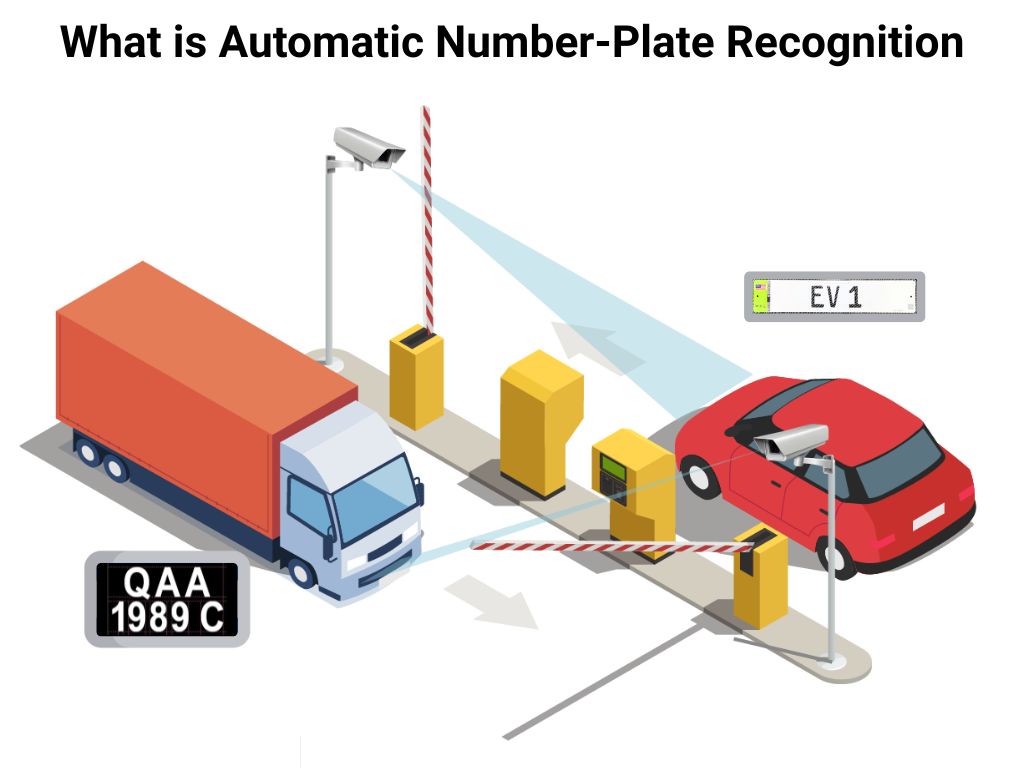
Basically, ANPR uses high-tech cameras and AI to read your car’s number plate while you’re driving. It checks the plate against vehicle data, charges your toll automatically, and doesn’t even need you to slow down. It’s like the car pays on your behalf while you keep your eyes on the road.
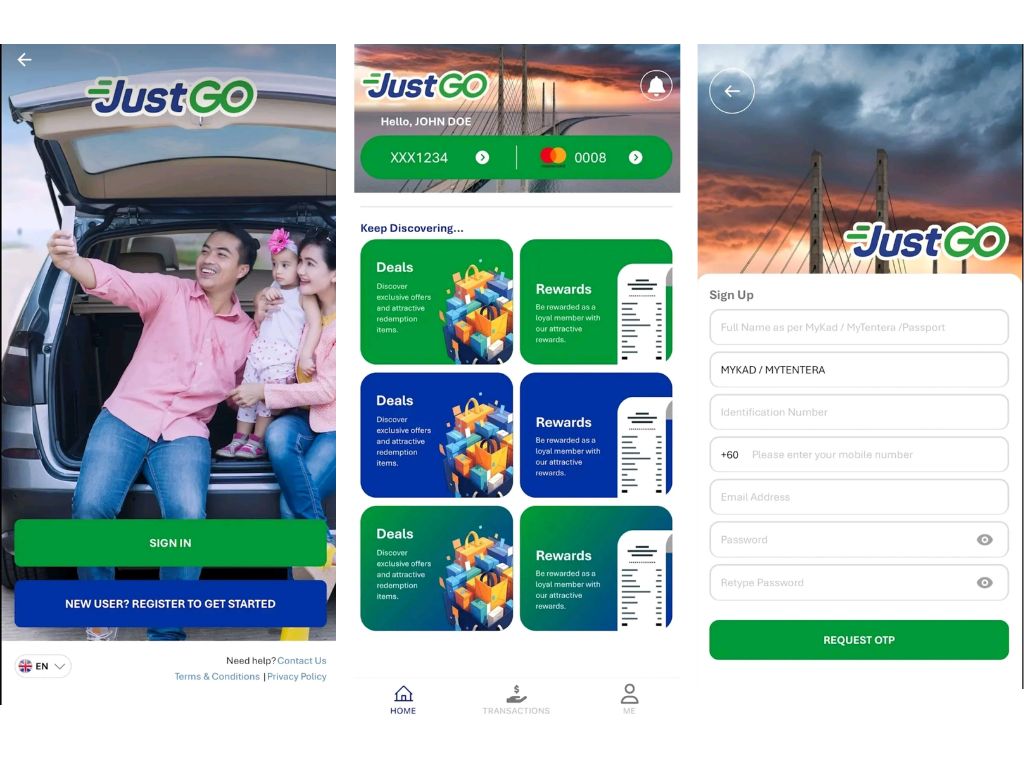
You link your vehicle to the JustGo app, hook it up to your preferred payment method (Touch ’n Go, credit card, or even e-wallet), and drive through like a boss. If one payment method fails, the system just switches to the next. Pretty smooth.
Oh—and the system claims a 99.98% plate recognition accuracy, which is honestly quite impressive.
Where Is This Happening?
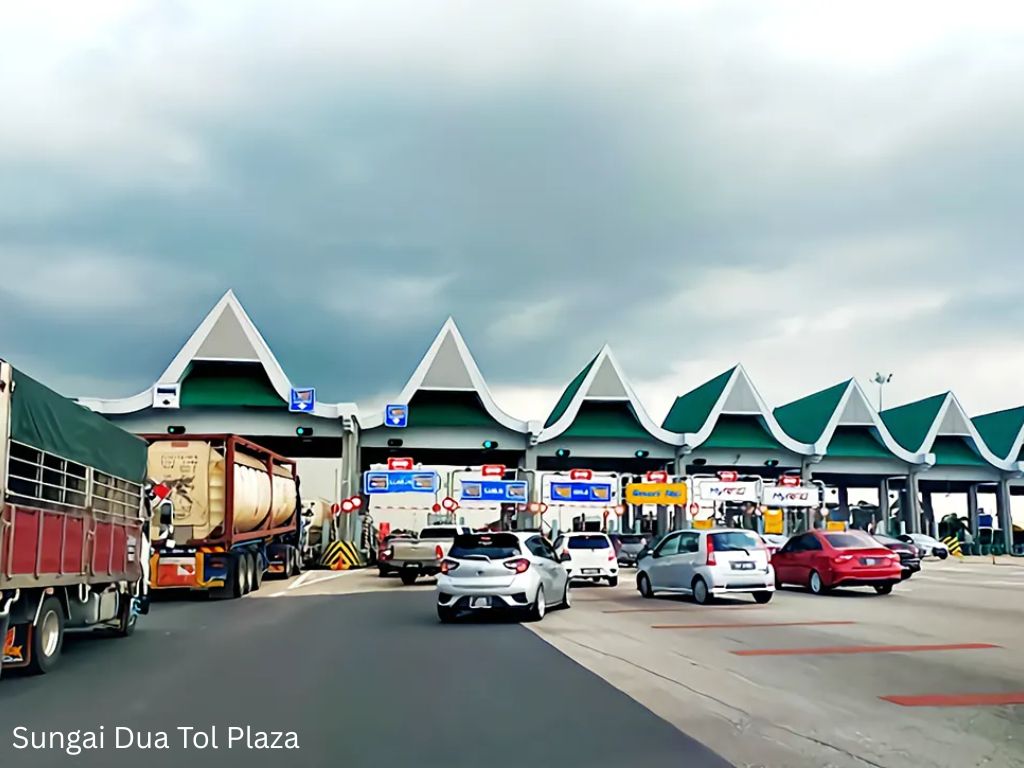
The pilot is going live in October 2025 at 13 toll plazas (35 lanes total) along the stretch between Hutan Kampung and Sungai Dua in Penang. It’s being run by PLUS Malaysia, and the goal is to slowly phase it out nationwide in stages, with full MLFF by 2027.
Bonus: It’s funded entirely by private industry players, so no extra cost to us drivers or to the government.
Why Are People Excited?
Let’s be real—we all hate getting stuck at tolls. This ANPR system could finally put an end to:
✅ Long queues at toll booths
✅ Needing exact change or card balance
✅ Getting fined for not tapping properly
✅ Slamming the brakes at gantries
And the JustGo app means you don’t have to juggle between different platforms—just one app to rule them all (hopefully).
It also tackles plate cloning issues. The system doesn’t just read your plate—it matches your plate to the car’s shape and details. So if someone’s trying to clone your car, the system can detect it. (Finally, some peace of mind!)
But Not Everyone’s Jumping for Joy
Let’s hear it from the people:
“The MLFF is highly convenient for drivers. Sure there’s drawbacks, but benefits outweigh the costs. For consumers.” – Reddit user
“As long as commuting times are lowered, our economy will improve due to great efficiency too both for work and for people who are out to spend money.” – Another Redditor
But of course, there’s always that one fella at the kopitiam:
“It’s like you’re paying for the privilege to be stuck in traffic… Just get rid of them and put them into road tax instead.” – Grumpy but relatable Reddit uncle
People are cautiously optimistic—most of us want convenience, but we’re still wary about enforcement, privacy, and whether the system will actually work as smoothly as promised.

Ah, now we’re talking. Let’s zoom out and look at the real estate angle, because this new toll system could quietly reshape the property game in more ways than one:
1. Smoother Commutes = Wider Property Options
If driving becomes smoother and faster, more people will be open to buying homes slightly further out. Suddenly, places like Rawang, Semenyih, Seremban, or even Bangi don’t feel that far anymore.
2. Highway-Adjacent Areas Could Get a Boost
Properties near these MLFF-ready toll plazas will probably see more attention. The barrier-free convenience could attract both buyers and tenants who commute to work daily.
3. Commercial Lots May See a Spike in Value
Think petrol stations, convenience stores, drive-thru cafes, and logistics hubs. These places benefit directly from increased, smoother traffic. Landlords and investors—take note.
4. Marketing Magic for Agents & Developers
Imagine this as your selling line:
“Only 25 minutes to KL thanks to MLFF access—no toll stops, just smooth driving.”
Suddenly, the commute doesn’t feel like a chore anymore. This can be a game-changer in how we pitch suburban projects.

Okay, let’s not sugarcoat it. Here are some challenges that could pop up:
- Plate readability issues – If your plate is dirty, scratched, or not JPJ-compliant, the system might struggle.
- Enforcement headaches – What if someone skips toll registration or tampers with their plate? The system needs solid enforcement to back it up.
- Privacy concerns – Some folks don’t love the idea of cameras tracking car movements all the time.
- App overload – Yet another app to download. Not everyone’s thrilled about it, especially the older crowd.
That said, these are solvable problems—with time, feedback, and proper implementation.
Final Thoughts: Cool Tech, Real Impact
The ANPR pilot might seem like a small tech update, but its ripple effect could be massive. Smoother tolls don’t just make driving better—they change how we think about distance, lifestyle, and value.
So whether you’re a buyer looking for more affordable homes outside the city, or an investor eyeing emerging hotspots near major highways—this is a trend worth watching closely.
We say: Bring on the MLFF. Just make sure the system works lah.
Written by: MyPropertyPlaces.com Editorial Team
*Because great places aren’t just about the property—they’re about how easily you can get there.