
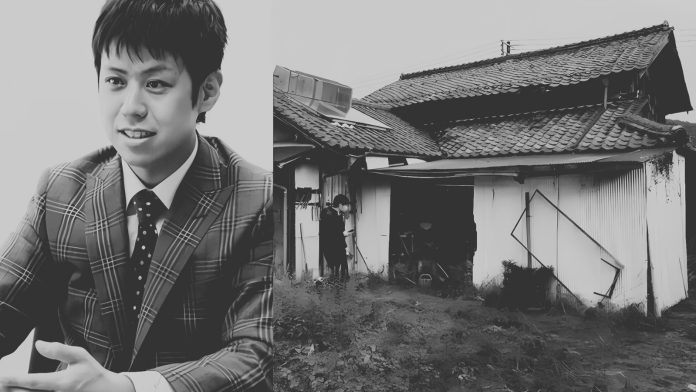
Source: This story was first reported by Rakumachi, a Japanese real estate site, and shared by the South China Morning Post.
Let’s be honest—when you think of real estate investing, you probably imagine glossy skyscrapers or trendy city apartments. But Hayato Kawamura, a 38-year-old from Osaka, Japan, is proving there’s big money in the opposite: buying up old, decaying houses in the middle of nowhere. And get this—he’s making $900,000 a year from it.
How? Let’s break it down—and see if his “trash-to-cash” strategy could work in Malaysia too.
The “Why Bother?” Strategy That Actually Works
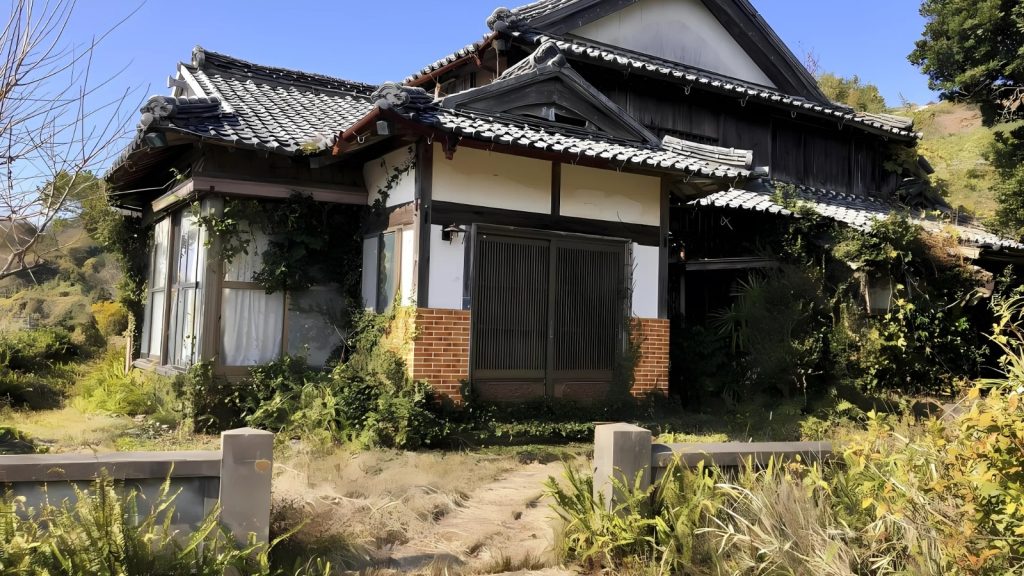
Kawamura’s idea sounds crazy at first: he buys houses that most people wouldn’t touch with a 10-foot pole. We’re talking abandoned homes with missing roofs, dead animals inside, or floors that flood when it rains. But here’s the genius part:
- He hunts for dirt-cheap properties
Japan’s countryside is full of empty, crumbling houses because younger folks keep moving to cities. Kawamura snags these for as little as ¥1 million (about RM32,000). That’s cheaper than a Perodua Axia! - He does the bare minimum to fix them up
No marble countertops or smart toilets here. Kawamura just cleans out the junk, patches leaks, and makes the house livable. Then he rents them out fast—sometimes for as low as ¥30,000/month (RM960). - He goes big on numbers
One run-down house won’t make you rich. But 200 of them? That’s how Kawamura hits $900k a year. It’s like the property version of selling RM5 nasi lemak packs—you need volume! - He buddies up with real estate agents
Good connections mean he gets first dibs on cheap listings. In his words: “It’s not what you know, it’s who knows you.”
But Can This Work in Malaysia?
Malaysia isn’t Japan, but there are similarities—and opportunities. Let’s get real:
Where It Could Click:
- Rural areas: Think villages in Kelantan, Perak, or Sabah where young people leave for cities. Old wooden houses or abandoned kampung homes could be goldmines for cheap rentals.
- Small towns: Ever driven through places like Taiping or Kuala Lipis? Plenty of aging shophouses or flats sitting empty.
- Budget rentals: With rising costs, even RM500/month rooms are in demand. A cleaned-up, basic house could attract factory workers, students, or small families.
The Hurdles:
- Rules, rules, rules: Malaysia’s safety standards are strict. That rotting roof? You might have to replace it entirely, which eats into profits.
- “Where’s the WiFi?”: Remote homes need tenants who actually want to live there. Target areas near factories, farms, or colleges.
- Money talk: Banks might side-eye loans for a crumbling house in the boonies. Creative financing (like teaming up with a relative?) could help.
Pro Tip: Keep an eye on government programs! Schemes like Rumah Mesra Rakyat (for affordable housing) or rural development grants might sweeten the deal.
What Malaysian Investors Can Steal from Kawamura
- Look for the “ugly ducklings”
Skip the flashy KL condos. Scour Facebook Marketplace or ask local agents about cheap, ignored properties—especially in older neighborhoods. - Keep renovations simple
Paint the walls, fix the plumbing, slap on a “For Rent” sign. No need for Instagram-worthy interiors. - Think like a McDonald’s
It’s not about making RM10,000 from one house. It’s about making RM500 from 20 houses. Scale matters! - Be patient
Kawamura didn’t get rich overnight. His first property took 6 years to sell. Real estate is a slow game—but it pays off.
The Bottom Line
Hayato Kawamura’s story isn’t just inspiring—it’s a wake-up call. While Malaysia’s market has its quirks, his strategy shows that big profits can hide in the most unexpected places. Who knows? That collapsed roof or jungle-overgrown house down the road might just be your ticket to financial freedom.
Just remember: Do your homework, play by the rules, and maybe pack a good pair of gloves.
Source: Original article from Rakumachi/SCMP: “Japan man buys 200 decayed houses, generates US$900,000 in annual rent.”