
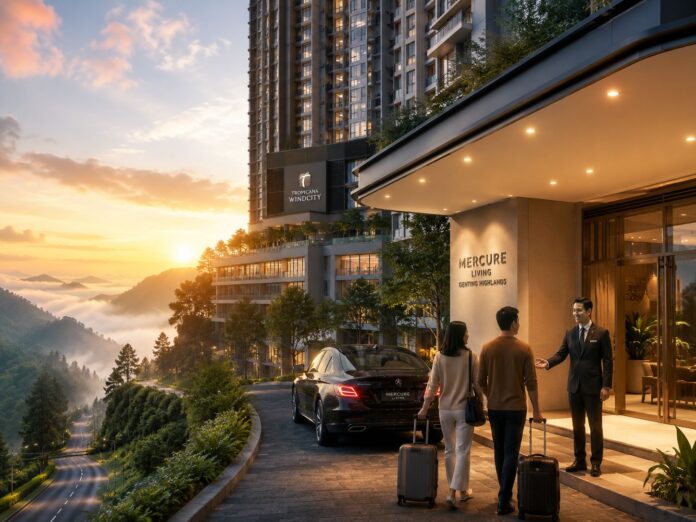
When most people hear that a property developer has partnered with an international hotel brand, their first reaction is usually:
“That’s nice… but what does that have to do with me?”
Actually, quite a lot.
If you’ve been following Malaysia’s property market over the past few years, you’ll notice something interesting. Developers are no longer just building homes and hoping people will buy them.
They’re building entire ecosystems.
That’s exactly what Tropicana is doing through its latest partnership with Accor, one of the world’s largest hospitality groups.
And if you’re thinking about buying a property—whether for your own stay or as an investment—this is a trend worth understanding.
Property Developers Are Rethinking Their Business
Traditionally, property developers make money by selling homes.
Once the project is completed and the units are sold, that source of income naturally slows down.
Today, many developers are asking a different question:
“How can we continue generating income long after the buildings are completed?”
The answer is recurring income.
Instead of relying solely on property sales, developers are creating businesses that continue generating revenue through hotels, retail spaces, offices, property management and lifestyle services. This helps build a more stable and resilient business over the long term.
For buyers, that’s usually good news because developers have a stronger incentive to keep their townships active, attractive and well maintained.
So What Exactly Happened?
Tropicana recently signed an agreement with Accor to introduce Mercure Living Genting Highlands at TwinPines Serviced Suites, part of Tropicana Grandhill within the larger Tropicana WindCity township.
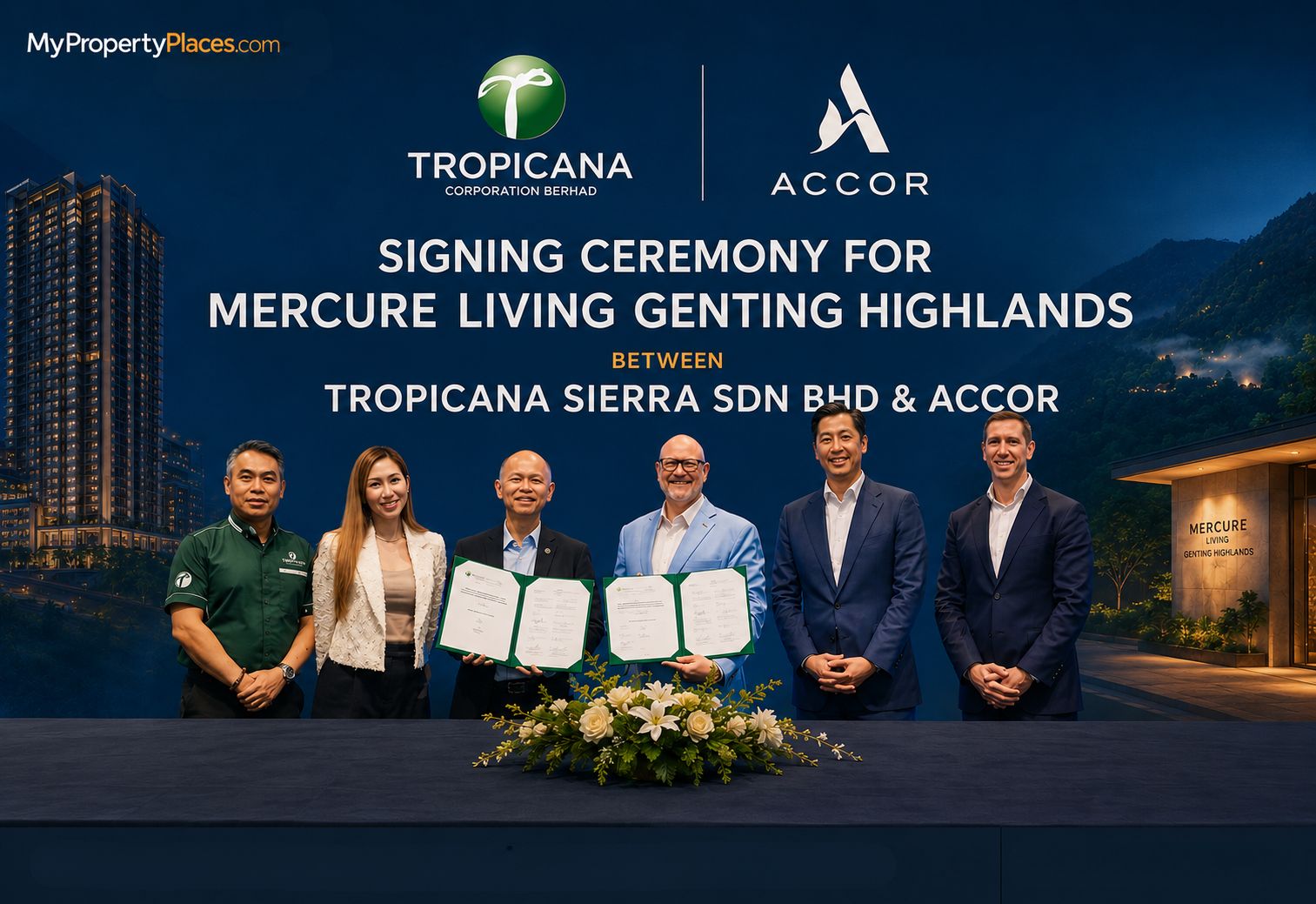
This development is expected to become Malaysia’s first Accor-branded condotel and, when completed in 2028, will also be the largest Mercure Living development in the world, comprising 1,443 fully furnished suites.
Under the partnership, Accor won’t simply lend its name to the project.
The hospitality group will professionally manage the property, including hotel operations, rental management, international marketing and access to its global reservation network.
Why Does an International Hotel Brand Matter?
Let’s imagine two serviced apartments sitting side by side.
Both look equally beautiful.
Both are in the same location.
But one is managed by an internationally recognised hospitality company with decades of experience, while the other is managed independently.
Which one would you feel more confident booking for a holiday?
Most travellers would probably choose the internationally managed property.
That’s because recognised brands bring consistency.
Guests generally know what level of service, cleanliness and experience they can expect.
For property owners, this may translate into wider global exposure, professional management and potentially stronger rental demand—although, like any investment, returns are never guaranteed.
This Isn’t Just About Genting Highlands
What’s perhaps even more interesting is that Tropicana has openly shared that this hospitality strategy isn’t expected to stop with one project.
The company sees opportunities to integrate hospitality into other tourism and lifestyle destinations within its portfolio, including waterfront, coastal and resort-oriented developments.
That tells us something bigger.
Developers are increasingly thinking beyond simply selling square footage.
They’re creating destinations where people can live, work, shop, dine, relax and stay—all within the same township.
What Should Homebuyers Look Out For?
Not every branded residence automatically makes a good investment.
A famous hotel name alone doesn’t guarantee higher property values or better rental returns.
Before buying, it’s always worth asking a few practical questions:
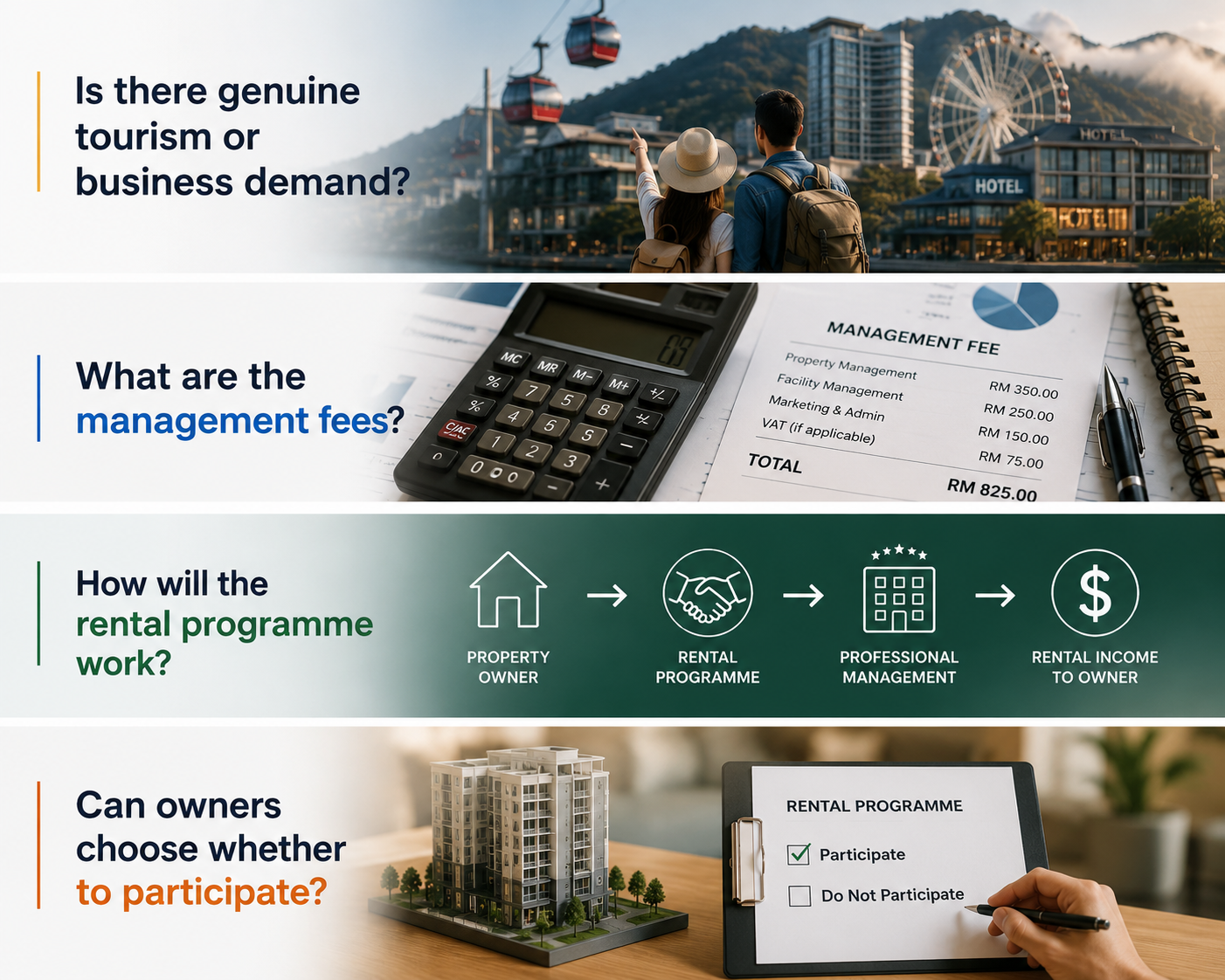
These questions often matter more than the brand printed on the brochure.
Our Take
At MyPropertyPlaces, we believe this partnership reflects a bigger shift happening across Malaysia’s property industry.
Developers are no longer competing only on location, price or facilities.
They’re competing on experience.
Professional management, hospitality services, recurring income and destination-building are becoming part of the conversation.
Whether you’re buying a home for your family or investing for the future, it’s worth paying attention to these trends because they could shape the next generation of Malaysian townships.
Sometimes, the biggest property stories aren’t just about another new building.
They’re about how developers are changing the way they think.