
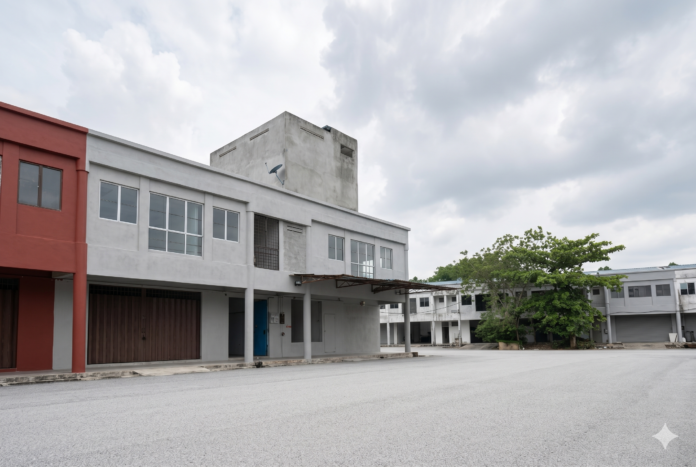
Over the past few weeks, I’ve been spending more time walking around commercial areas in PJ. Not just driving past. Actually walking. Morning hours. Lunch time. Evening. Sometimes just sitting there with coffee and observing people.
And honestly… after a while you start noticing patterns.
Some places are busy even though the buildings already look old. Some places are beautifully designed, expensive-looking, brand new… but somehow still feel empty. At first I thought maybe tenant mix was the main issue.
But I don’t think that’s the real reason anymore. I think a lot of commercial projects fail because they misunderstand how normal people behave.
That’s it.
Not everyone wants a “destination lifestyle hub.” Most people just want easy parking and good food.
People Don’t Move The Way Developers Think They Do
One thing I realized while walking these places is this:
People are actually very predictable.
Especially Malaysians.
If parking is difficult, people avoid the place.
If walking is too far, people complain.
If entering requires weird U-turns, they don’t come back often.
Simple things.
I remember walking one newer commercial project that looked really nice online.
Nice architecture.
Fancy branding.
Modern design.
But after sitting there for maybe 30 minutes, I noticed something.
Almost nobody was casually walking around.
The people there already had a reason to be there.
Gym.
Specific café.
Office.
Then they leave immediately.
There wasn’t that natural “spillover movement” you see in truly active commercial areas.
You know those places where people accidentally discover shops while walking?
That feeling matters more than people think.
Parking Honestly Decides Everything
I know this sounds exaggerated.
But I genuinely think Malaysians will forgive ugly buildings faster than bad parking.
You can have the best café in the world.
If people need to circle 15 minutes for parking, gone already.
One older PJ commercial area I visited recently was packed during lunch.
And honestly? The buildings weren’t even impressive.
But parking was easy.
Walking distance was short.
Everything felt convenient.
Office workers could quickly park, eat, buy drinks, and leave.
That convenience creates repeat behavior.
A lot of newer commercial projects focus so much on image until they forget daily usability.
Real life is not a brochure.
People don’t care about “vibrant placemaking” when it’s raining and they still can’t find parking.
The Lunch Crowd Tells You Everything
If you really want to understand whether a commercial hub is healthy, go there during weekday lunch.
Not weekends.
Weekends can fake activity.
Events can fake activity.
Grand openings can fake activity.
Lunch crowd is harder to fake.
That’s when you see whether the surrounding ecosystem is actually supporting the businesses.
You start noticing things:
- Are office workers walking over naturally?
- Are delivery riders constantly coming in and out?
- Are people lingering after lunch?
- Are convenience stores busy?
- Is there repeat traffic?
One thing I noticed in stronger commercial hubs is that people don’t just visit one shop.
They move around.
Buy coffee.
Walk to another store.
Meet someone.
Grab groceries.
Then maybe dessert after.
That movement is what keeps commercial areas alive.
Some Places Look Amazing… But Feel Dead
This one is hard to explain until you experience it yourself.
Some commercial projects photograph beautifully.
Especially during launch phase.
Then you actually walk there and something feels off.
Too quiet.
Too spread out.
Too disconnected.
You can almost feel that people don’t naturally know where to go.
And when pedestrian movement feels unnatural, retail starts struggling quietly.
I used to think success was mostly about tenant quality.
Now I think layout and human movement matter even more.
Because even great tenants suffer if nobody naturally passes by them.
Actually… Some Mixed Developments Do Work Better
After walking around a few of these places, I started understanding why some mixed developments perform differently.
Not perfectly.
But differently.
When you combine residences, offices, retail, and public transport together, you create daily movement automatically.
Morning coffee crowd.
Lunch crowd.
Residents at night.
Weekend family traffic.
There’s a natural rhythm to the place.
One thing Tropicana Edelweiss Shoppes has going for it is that it doesn’t really feel isolated from everything around it.
You already have surrounding residences.
Office activity.
MRT connectivity.
Existing traffic movement.
So the commercial area isn’t depending entirely on hype to survive.
I think that matters a lot more today compared to a few years ago.
People no longer travel across the city just because a place looks trendy on Instagram.
Convenience wins now.
Final Thought
After walking these commercial hubs, I honestly think successful shoplots are less about “premium concepts” and more about human habits.
Can people reach the place easily?
Can they park easily?
Can they walk comfortably?
Do they naturally spend time there?
That’s why some places slowly become part of people’s routine…
while others still feel like visitors are forcing themselves to be there.