
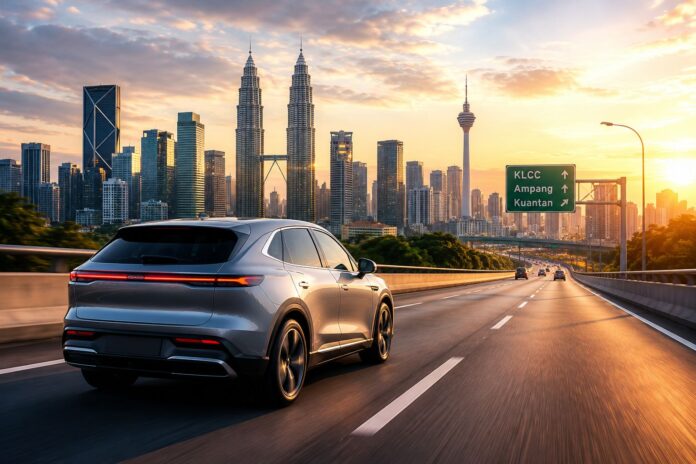
If you’ve been telling yourself, “Never mind… I’ll buy an EV next year when it’s cheaper,” I have some news.
Next year may not be cheaper.
In fact, it could be a whole lot more expensive.
Starting 1 July 2026, new government rules are expected to push the prices of newly imported electric vehicles (EVs) to around RM300,000 and above. Suddenly, that EV you’ve been eyeing might feel less like a practical family car and more like a luxury item that comes with complimentary heart palpitations.
So, What Changed?
The Ministry of Investment, Trade and Industry (MITI) has introduced new requirements for fully imported (CBU) EVs.
To qualify for import, they must now meet two conditions:
- A minimum Cost, Insurance and Freight (CIF) value of RM200,000
- A minimum motor output of 180kW
On paper, those numbers don’t sound particularly exciting.
But once you add import duties, excise duties, SST, logistics costs, dealer margins, registration and everything else that magically appears on a car price list, many imported EVs are expected to start at around RM300,000 or even more.
The End of the “Affordable Imported EV” Era?
For the past few years, Malaysians have been spoiled.
Suddenly we had plenty of choices from brands like BYD, MG, GWM, Leapmotor and others. Buying an EV no longer meant you had to sell a kidney or become a cryptocurrency millionaire.
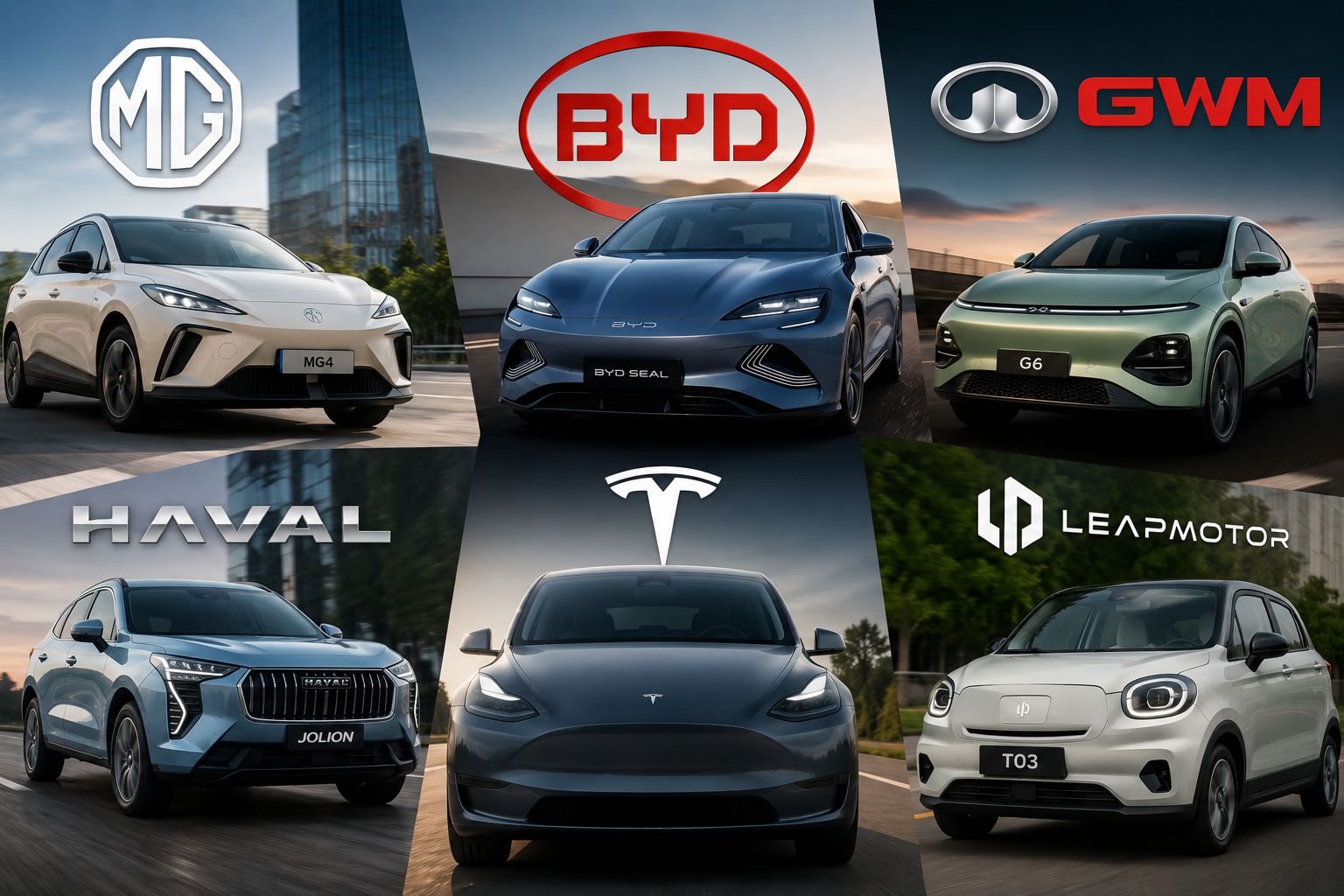
That competition pushed prices down and made EV ownership realistic for many middle-income families.
Unfortunately, many of those affordable imported models may disappear once current stock runs out, unless manufacturers begin assembling them locally.
Why Would the Government Do This?
It’s easy to look at this policy and immediately think, “Why make EVs more expensive?”
The answer isn’t as simple as collecting more taxes.
The bigger goal is to encourage car manufacturers to invest in local assembly (CKD) instead of simply importing finished vehicles.
If more companies assemble EVs in Malaysia, it could mean:
- More local jobs
- More investment
- Stronger automotive supply chains
- Better technology transfer
- A healthier manufacturing industry over the long run
Whether this strategy succeeds will depend on how quickly manufacturers set up local production and whether locally assembled EVs remain competitively priced.
If You’re Planning to Buy an EV…
This might actually be the best time to decide.
Existing imported EVs that are already in Malaysia—or already on the way before the new rules take effect—can still be sold under the previous conditions until current inventories are exhausted.
Think of it like your favourite restaurant announcing they’ll double the price of chicken rice next week.
You probably wouldn’t wait until next month.
What Does This Have to Do with Property?
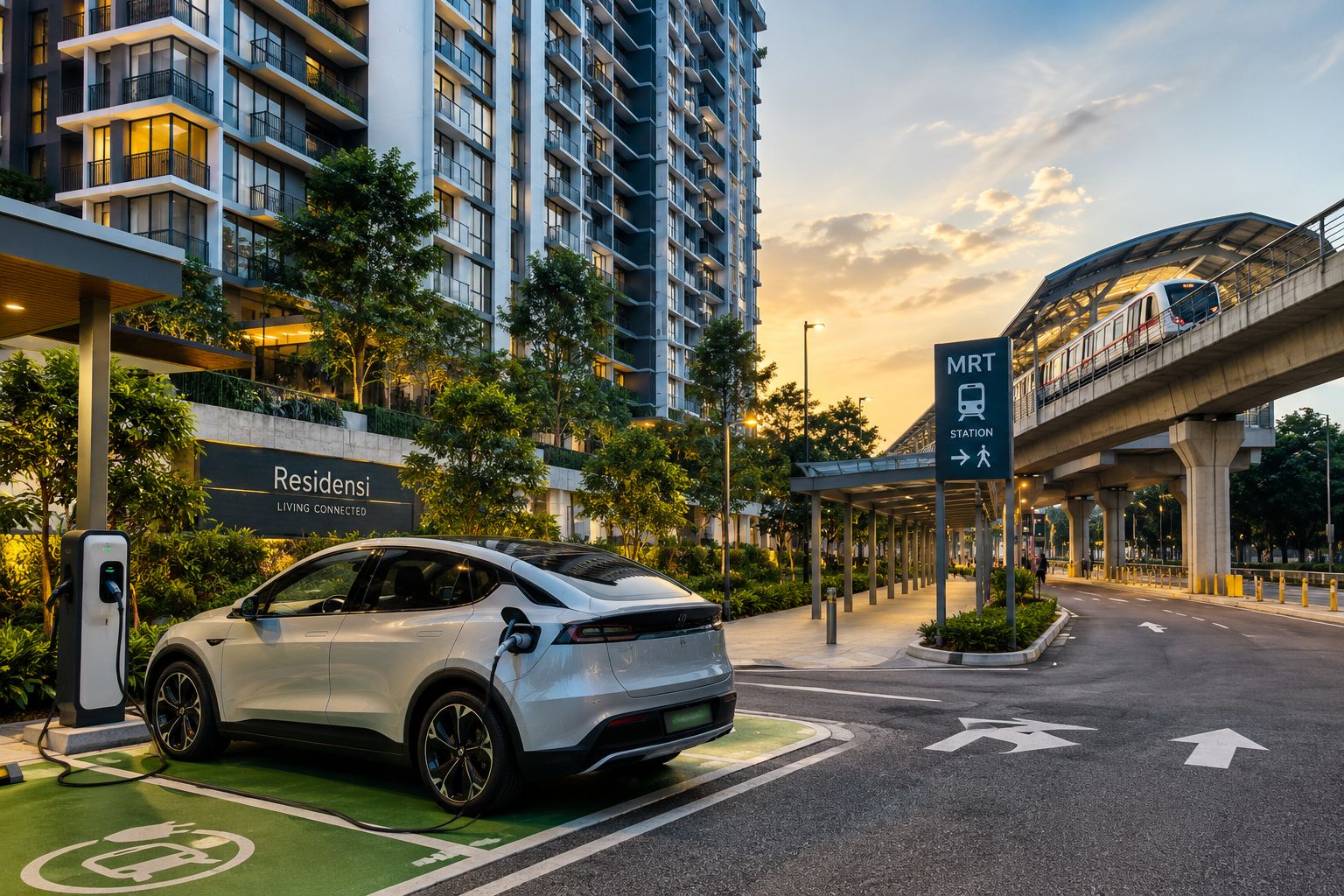
Quite a lot, actually.
When people choose where to live, transportation is one of the biggest monthly expenses.
If EV ownership becomes more expensive, buyers may start paying even more attention to locations that reduce their need to drive.
Properties near:
- MRT and LRT stations
- Offices
- Schools
- Shopping malls
- Daily conveniences
become even more attractive because every kilometre you don’t drive is money you don’t spend.

This is another reminder that property isn’t just about the house itself.
It’s about the lifestyle around it.
A home where everything is within walking distance suddenly feels even more valuable when owning a car costs a little more than expected.
My Personal Thoughts
I actually understand both sides.
As consumers, we’d all love more affordable EV choices. Competition is healthy, and it has helped more Malaysians consider switching to cleaner transportation.
But I also understand why Malaysia wants to build a stronger local EV industry instead of relying entirely on imports. Countries that manufacture don’t just create cars—they create jobs, skills, suppliers and long-term economic growth.
The challenge is finding the sweet spot.
Protect local industry without making green technology feel exclusive.
Because let’s be honest…
The environment doesn’t care whether your EV is imported or locally assembled. It just wants fewer exhaust pipes.
Hopefully, more manufacturers will accelerate their Malaysian assembly plans, and in a few years we’ll see affordable EVs return—this time with a “Made in Malaysia” story behind them.
Until then, if you’ve been saying, “I’ll think about buying an EV later,”…
Later may come with a much bigger price tag.
Disclaimer (MyPropertyPlaces.com)
The information in this article is based on publicly available reports and announcements as of the date of publication. Government policies and automotive regulations may change over time. This article is intended for general information and commentary only and should not be considered financial, legal, automotive or investment advice. Readers are encouraged to consult authorised vehicle dealers or relevant government agencies for the latest information before making any purchasing decisions.