
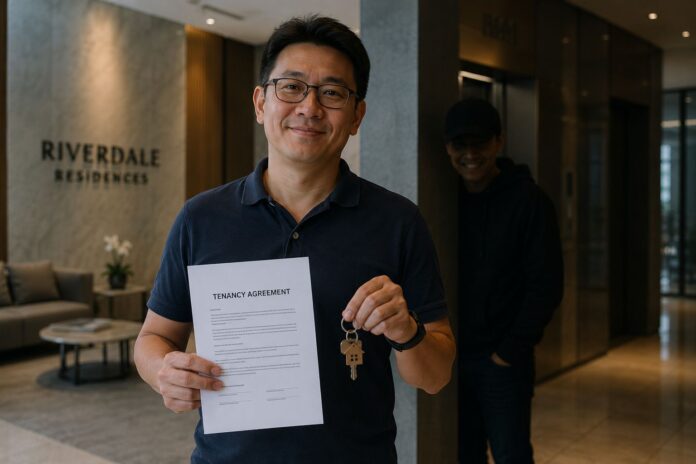
If you’ve been renting out properties for years, you’ve probably developed a pretty good instinct for people.
You know the questions to ask. You can often tell whether a prospective tenant is serious within the first few minutes of a conversation. You’ve probably dealt with late rental payments, difficult negotiations, last-minute cancellations, and all the little surprises that come with being a landlord.
Experience teaches you a lot.
But here’s an uncomfortable truth: experience doesn’t make you immune to scams.
In fact, sometimes it does the opposite.
Over the years, we’ve noticed that first-time landlords often move cautiously. They double-check everything because they know what they don’t know. Experienced landlords, however, sometimes become so familiar with the rental process that they stop noticing the small warning signs.
This isn’t about intelligence. It isn’t about being careless.
It’s simply human nature.
A Scam Rarely Looks Like a Scam
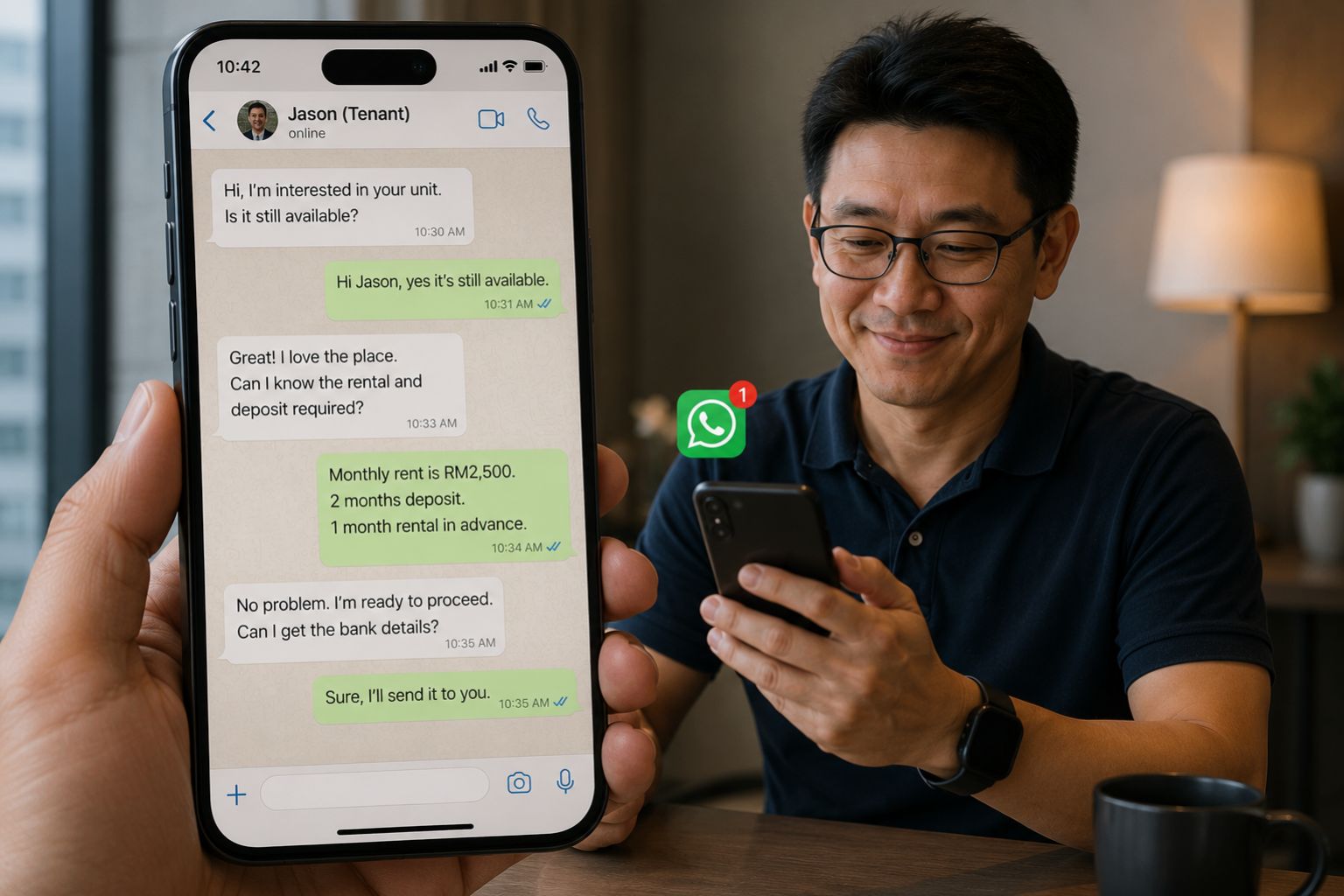
Most people imagine scammers as obvious criminals sending badly written messages or making ridiculous promises.
Reality is usually far more ordinary.
A scam often begins with a friendly WhatsApp conversation. A polite phone call. Someone who sounds professional and asks all the right questions.
Everything feels normal.
That is precisely the point.
Professional scammers understand that people are naturally cautious around strangers. Their goal isn’t to force you into making a bad decision. It’s to make you feel comfortable enough that you stop questioning what seems like a perfectly normal transaction.
By the time something feels wrong, you’ve already invested time, trust, or even money.
When Experience Becomes Overconfidence
There’s something that happens after managing several successful tenancies.
The process becomes familiar.
You stop reading every document line by line because you’ve seen similar agreements countless times. You become quicker at judging people because your instincts have served you well before. You assume you’ll spot a dishonest person because you’ve dealt with difficult tenants in the past.
Most of the time, those instincts are useful.
The problem is that scammers know exactly what experienced landlords expect. They don’t behave like troublesome tenants. They behave like ideal ones.
They’re polite.
Responsive.
Financially prepared.
Flexible with viewing times.
Sometimes they’re almost too perfect.
Ironically, the tenant who causes the least trouble during the negotiation can sometimes deserve the most careful verification.
We Trust What Looks Familiar
Human beings are remarkably good at recognising patterns.
It’s one of our greatest strengths.
It’s also one of our biggest weaknesses.
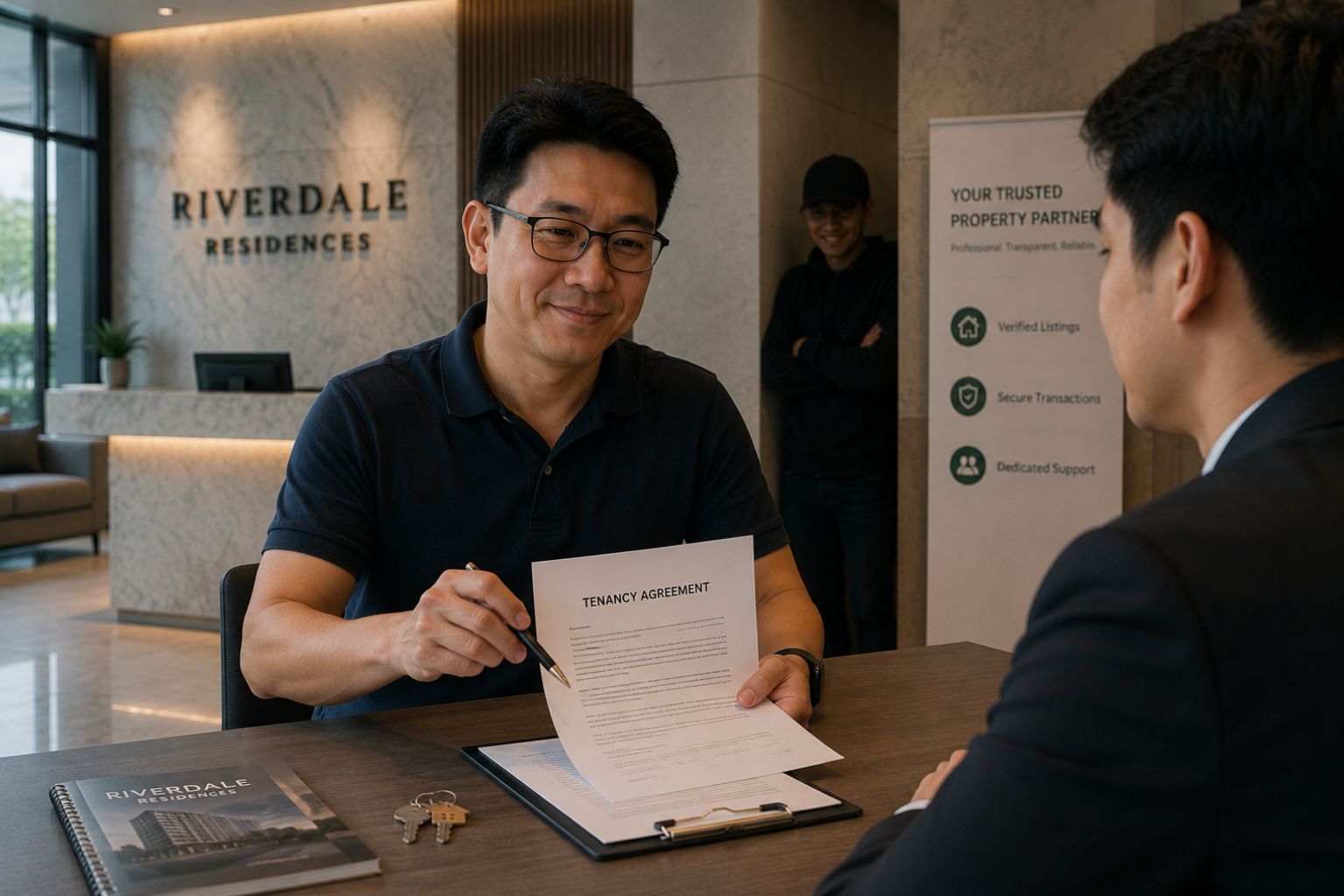
A clean-looking tenancy agreement.
A professionally designed business card.
A profile picture in business attire.
An official-looking payment receipt.
Our brains naturally associate these things with credibility.
Scammers understand this better than most people.
Today, creating convincing documents, polished online profiles, or realistic-looking payment confirmations has become much easier than many people realise. What used to require specialised skills can now be produced with surprisingly little effort.
That’s why appearances should never replace verification.
The more convincing something looks, the more important it becomes to verify it independently.
Urgency Is One of the Oldest Tricks in the Book
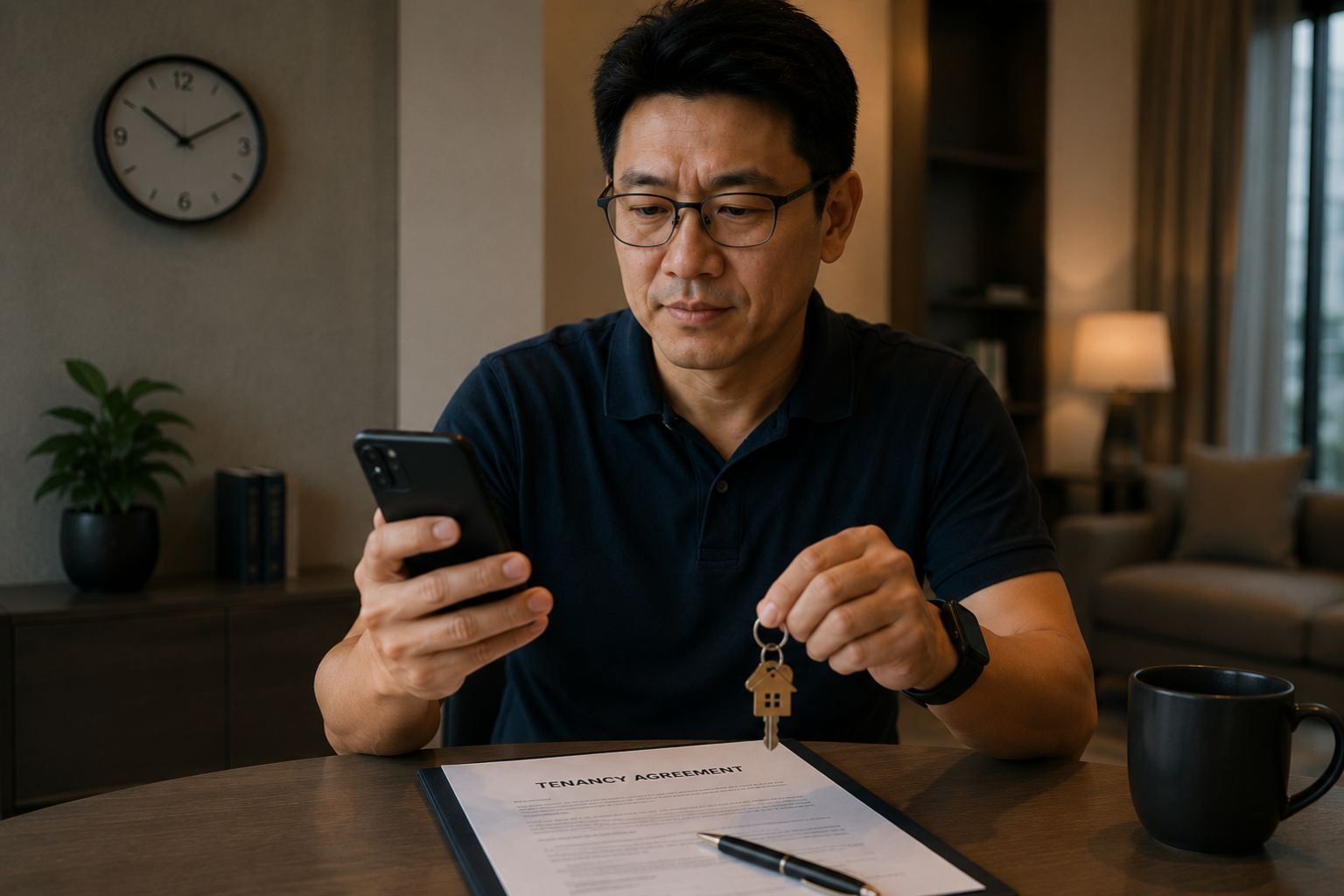
If there’s one thing we’ve observed repeatedly, it’s this:
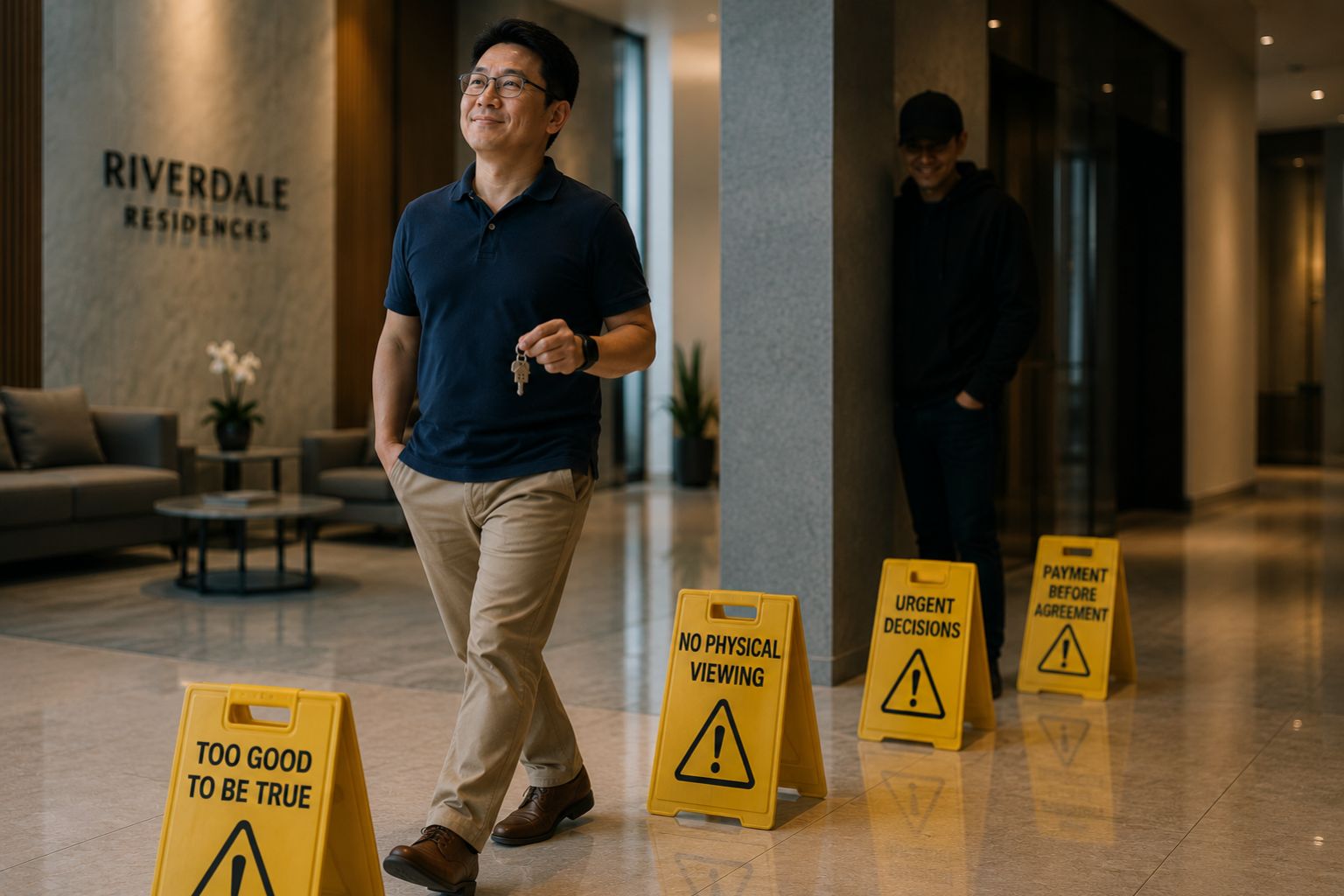
Scammers dislike giving people time to think.
You might hear things like:
“I’m transferring the deposit now, but I’m catching a flight tonight.”
“Could someone collect the keys tomorrow? We’re moving urgently.”
“Another landlord has accepted my application, but I’d rather rent your unit if we can settle this today.”
None of these statements sounds outrageous on its own.
But together, they create pressure.
And pressure changes the way people make decisions.
When we feel rushed, we stop asking questions. We focus on solving the immediate problem instead of evaluating the situation.
That’s exactly where mistakes happen.
Good landlords know that genuine urgency from a tenant doesn’t require rushed decisions from a landlord.
The Fear of Losing a Good Deal

Here’s something we don’t talk about often enough.
Landlords experience FOMO too.
Imagine your property has been vacant for several weeks.
Suddenly, someone offers to pay the asking rental without negotiation.
They want to move in immediately.
They’re happy with the terms.
Everything appears to be falling into place.
It’s tempting to think, “Finally.”
That emotional relief can quietly lower your guard.
Scammers know that landlords aren’t just protecting a property. They’re also thinking about vacant months, loan repayments, maintenance costs, and lost rental income.
Sometimes the biggest pressure isn’t created by the scammer.
It’s created by our own desire to close the deal.
Trust Is Earned Slowly. Verification Takes Minutes.

One of the best landlords we know once shared a simple habit that has stayed with us.
He said he never assumes someone is dishonest.
But he also never assumes someone is genuine simply because they seem nice.
Instead, he verifies everyone.
Every time.
Not because he distrusts people.
Because he trusts his process.
That small mindset shift makes an enormous difference.
Professional landlords don’t rely solely on instinct.
They rely on systems.
Verifying identities.
Checking ownership details.
Confirming payments have actually cleared.
Keeping proper documentation.
These habits aren’t signs of suspicion.
They’re signs of professionalism.
Experience Should Build Better Habits, Not Bigger Assumptions
Perhaps the biggest lesson is this:
Experience is valuable, but routines can become blind spots.
The landlords who stay safest aren’t necessarily the ones with the most years in the industry.
They’re the ones who remain curious.
They continue asking questions.
They continue checking details.
They never assume that “this probably won’t happen to me.”
Because that’s exactly what many scam victims believed before they became victims.
Final Thoughts
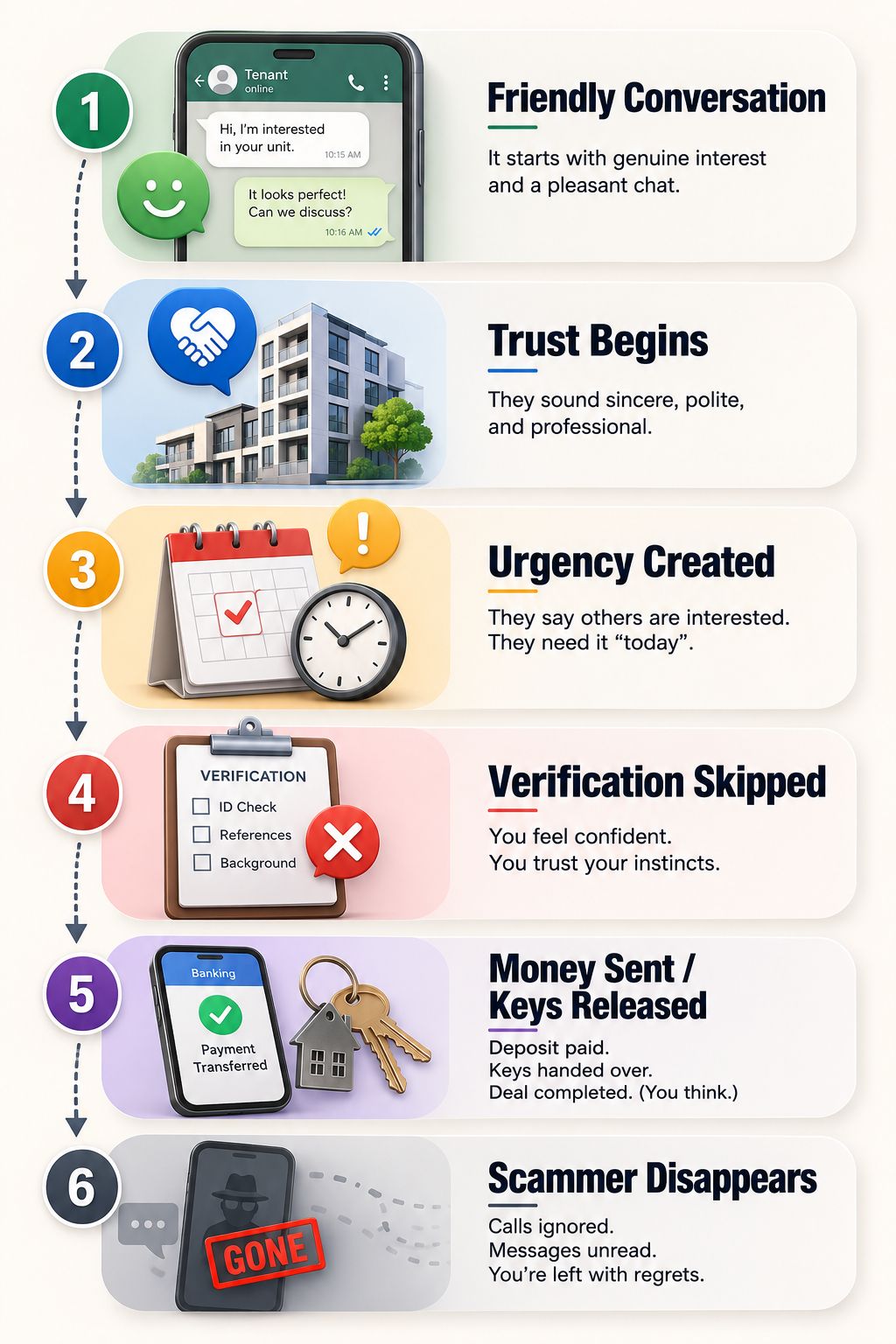
Rental scams aren’t always sophisticated because of technology.
They’re sophisticated because they take advantage of something much older than technology: human behaviour.
They rely on trust.
On urgency.
On routine.
On confidence.
And those qualities exist in every one of us, whether we’ve owned one rental property or twenty.
Being an experienced landlord is still one of your greatest strengths.
Just don’t let experience replace verification.
The most successful landlords aren’t the ones who trust nobody.
They’re the ones who know that every tenancy deserves the same careful process, no matter how straightforward it appears.
At MyPropertyPlaces, we believe good property management isn’t about becoming suspicious of everyone. It’s about building habits that protect both landlords and tenants, while creating a rental experience based on professionalism, transparency, and mutual trust.
Disclaimer: This article is intended for educational and informational purposes only and should not be considered legal or financial advice. Rental situations and fraud cases can vary depending on individual circumstances. If you suspect fraudulent activity, seek advice from the relevant authorities or consult a qualified legal professional before taking action.
MyPropertyPlaces Rental Scam Awareness Series
Rental scams are becoming increasingly sophisticated, affecting both landlords and tenants across Malaysia. To help our readers stay informed and better protected, MyPropertyPlaces has created this ongoing educational series covering the psychology behind scams, the latest tactics used by fraudsters, and practical steps you can take to safeguard yourself.
This article is part of the MyPropertyPlaces Rental Scam Awareness Series:
- Why Even Experienced Landlords Still Get Scammed
- 7 Rental Scam Tactics Malaysians Are Still Falling For
- Rental Scams Are Becoming More Sophisticated — Here’s Why
- The Ultimate Rental Scam Prevention Checklist for Landlords and Tenants
We’ll update this section with internal links as each article is published, making it easy for readers to explore the full series.
Disclaimer: This article is intended for educational and informational purposes only and should not be considered legal or financial advice. Rental situations and fraud cases can vary depending on individual circumstances. If you suspect fraudulent activity, seek advice from the relevant authorities or consult a qualified legal professional before taking action.