Property Case File #002
📌 About This Case : This article is based on a real event experienced by the author or shared with permission. Some identifying details have been changed or omitted to protect privacy. The purpose is to share practical lessons and encourage responsible decision-making, not to identify or accuse any individual or organisation..
It started with a phone call.
Not from my tenant.
From another landlord.
“There may be something wrong.”
At first, I didn’t think much of it. Rental issues happen every day. Tenants disappear. Some stop paying rent. Others move out without proper notice. It’s frustrating, but unfortunately it’s part of being a landlord.
Then my property agent called me again.
“There might be a connection.”
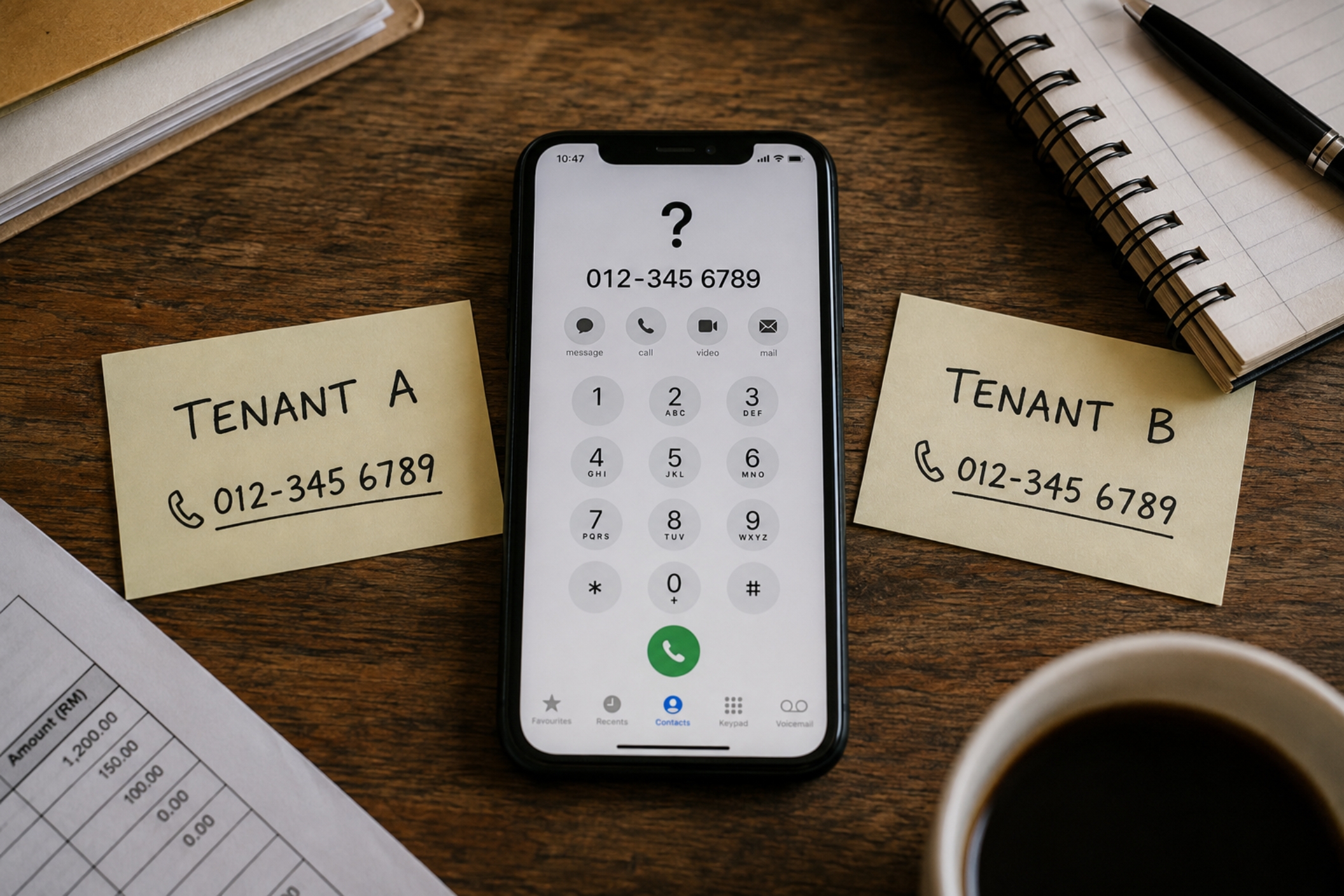
Another landlord’s tenant was using exactly the same phone number as my tenant.
I asked her to repeat herself.
“The same phone number?”
She checked again.
It was.
That single discovery transformed what had been an ordinary tenancy into something I couldn’t ignore.
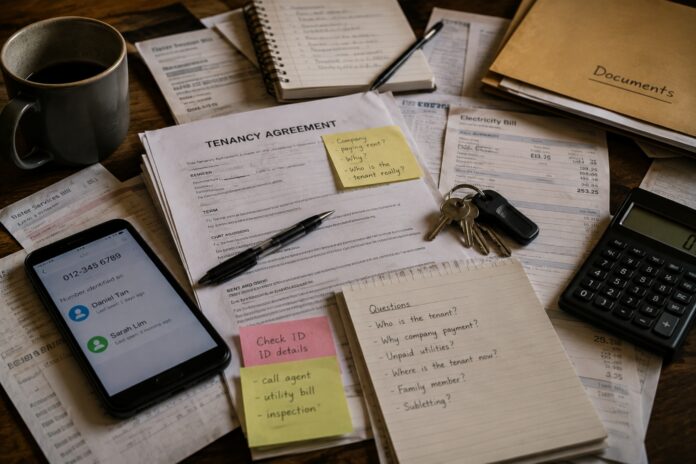
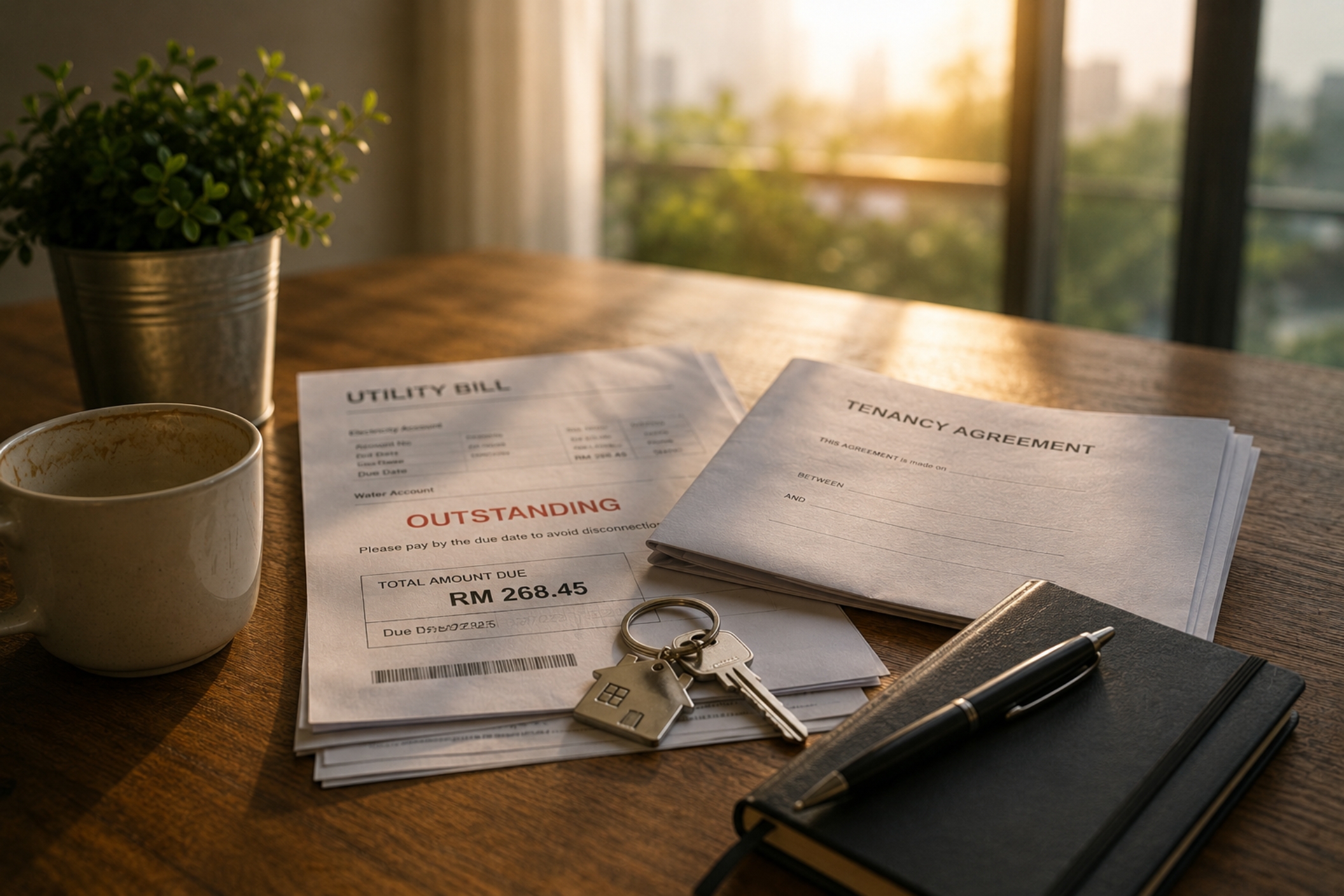
Over the next few days, my dining table slowly disappeared beneath a growing pile of documents. The tenancy agreement. The booking form. Copies of identity cards. Utility bills. Bank transfer records. WhatsApp conversations. Every document seemed to answer one question while creating two new ones.
At one point, I found myself asking a question no landlord ever wants to ask.
Should I make a police report?
Looking back today, I’m glad I didn’t rush.
Because this experience taught me one of the most valuable lessons I’ve learned as a landlord.
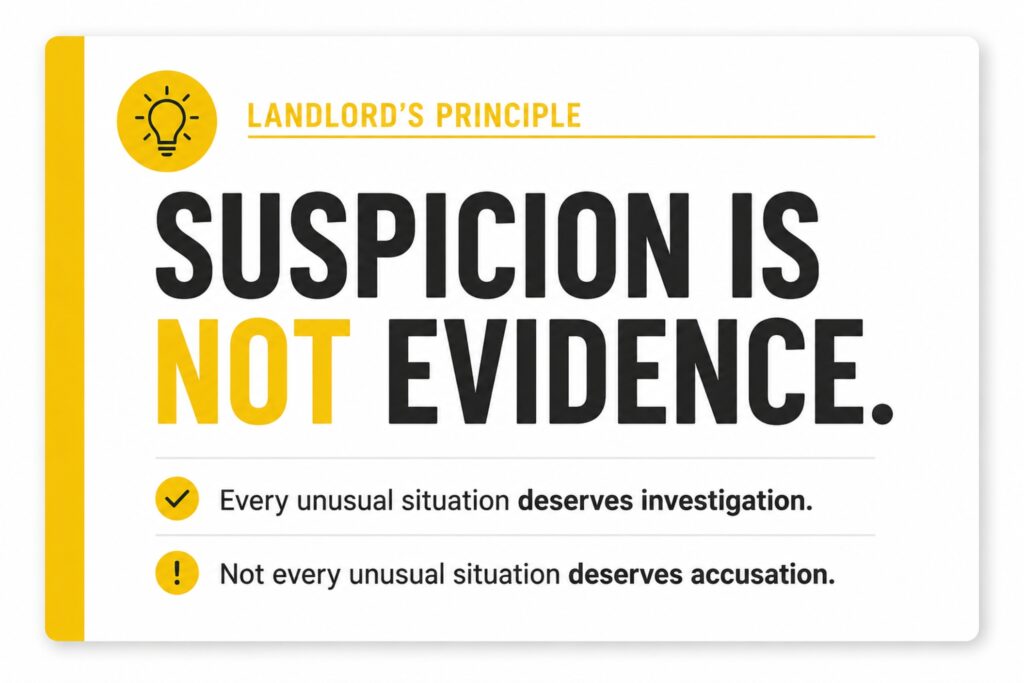
Suspicion is not evidence.
We Often Fear the Wrong Things
When people talk about difficult tenants, they usually imagine unpaid rent, damaged furniture or broken appliances.
Those situations are unpleasant, but they’re relatively straightforward.
You know what happened.
You know what needs to be done.
Uncertainty is different.
Uncertainty quietly occupies your thoughts. It follows you to work. It sits beside you during dinner. It keeps asking the same question.
“What if something bigger is happening?”
That’s exactly where I found myself.
The First Red Flag
The unusual part wasn’t that another landlord had problems with their tenant.
The unusual part was the phone number.
Two different tenants.
One identical mobile number.
At first, I assumed it was simply a clerical error. Numbers get entered incorrectly all the time.
But after checking our tenancy records, the number matched perfectly.
Coincidence?
Perhaps.
Or perhaps not.
There was only one way to find out.
The Investigation Begins
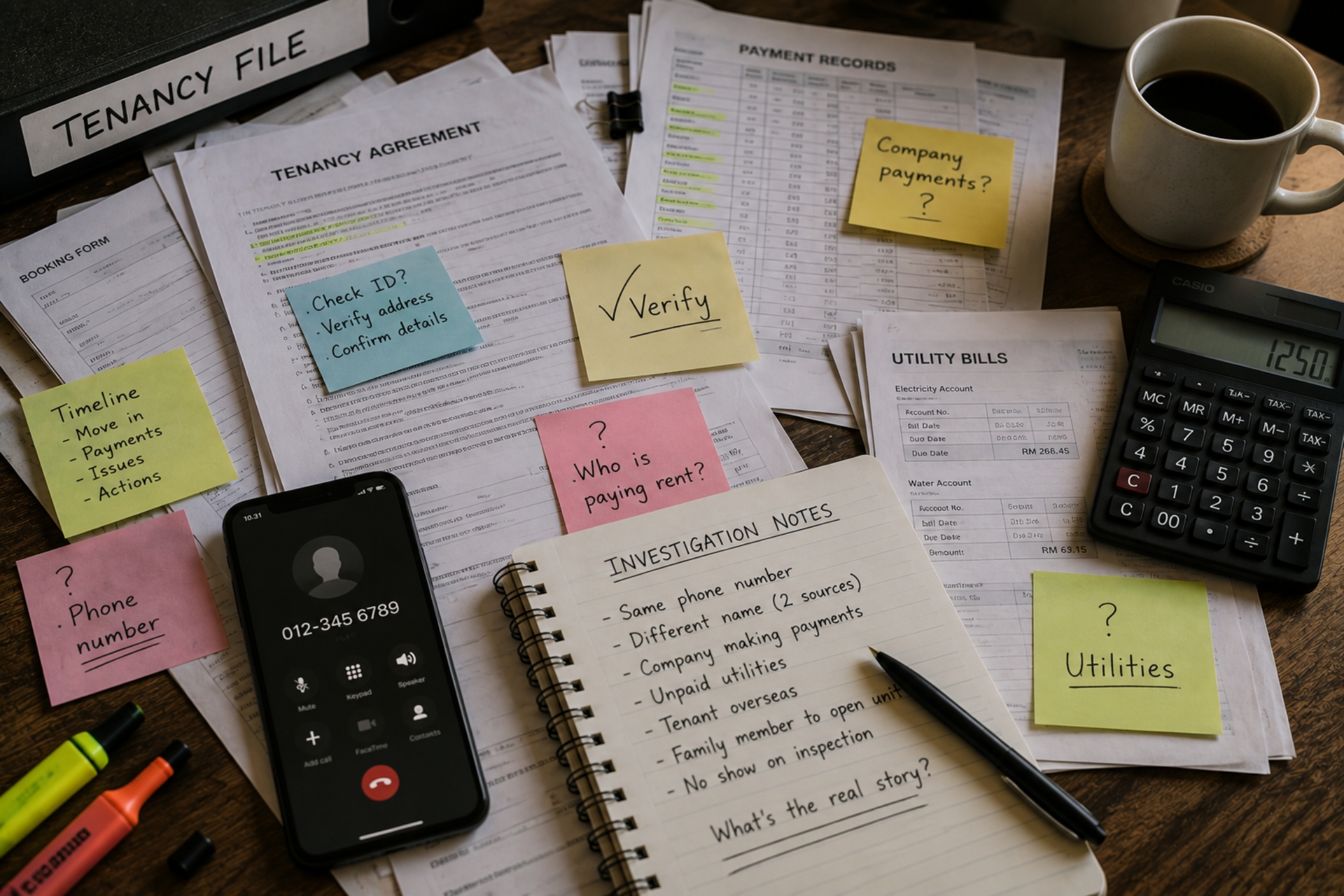
Like many landlords, my first instinct was to wonder whether I had become the victim of a scam.
Fortunately, I resisted the urge to jump to conclusions.
Instead, I decided to investigate properly.
I gathered every document related to the tenancy.
The booking form.
The tenancy agreement.
The tenant’s identification documents.
Rental payment records.
Electricity bills.
Water bills.
Every WhatsApp message exchanged since the day the tenant first expressed interest in renting the property.
If there was an explanation, I wanted the evidence to tell me.
Not my imagination.
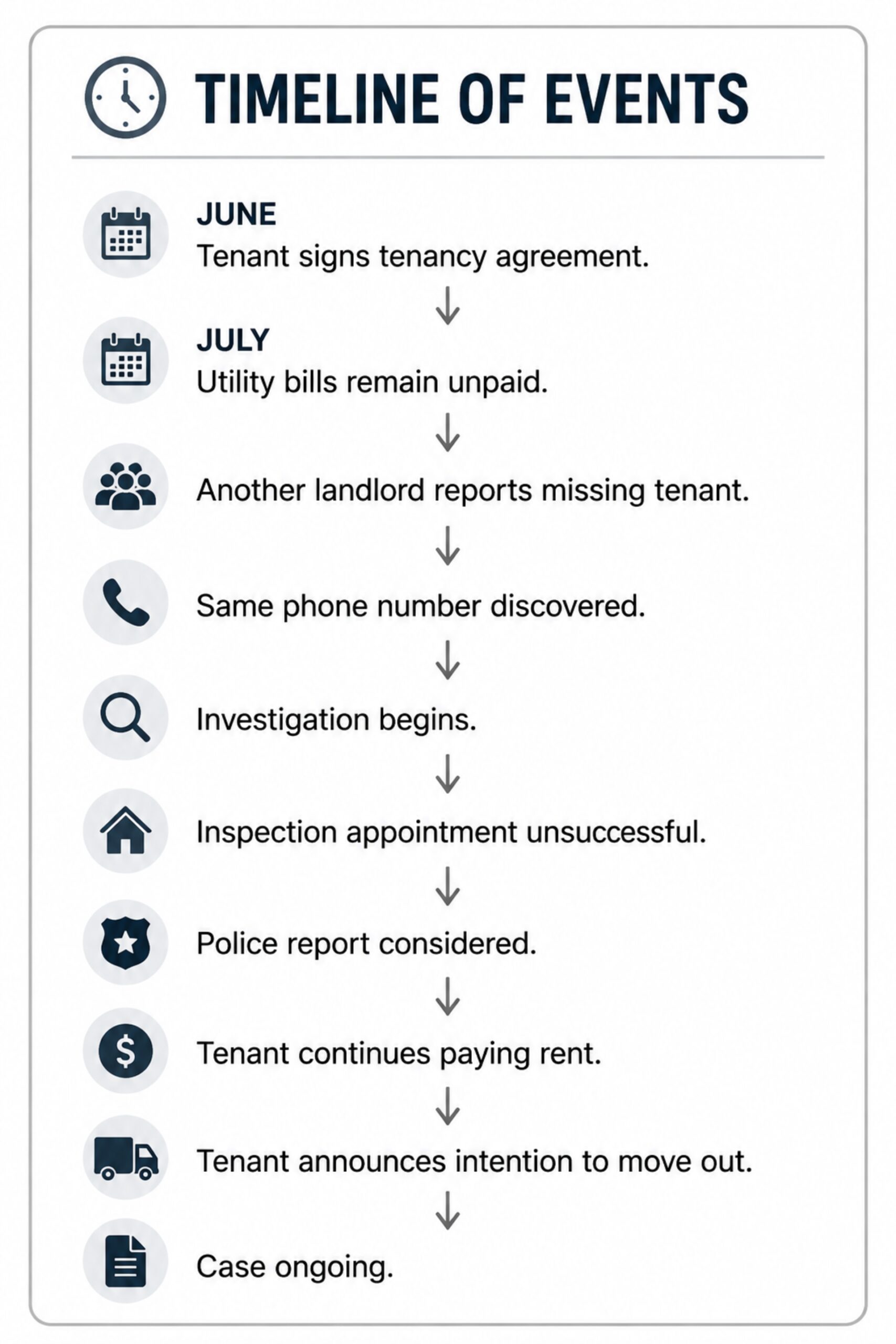
Then Things Became Even Stranger
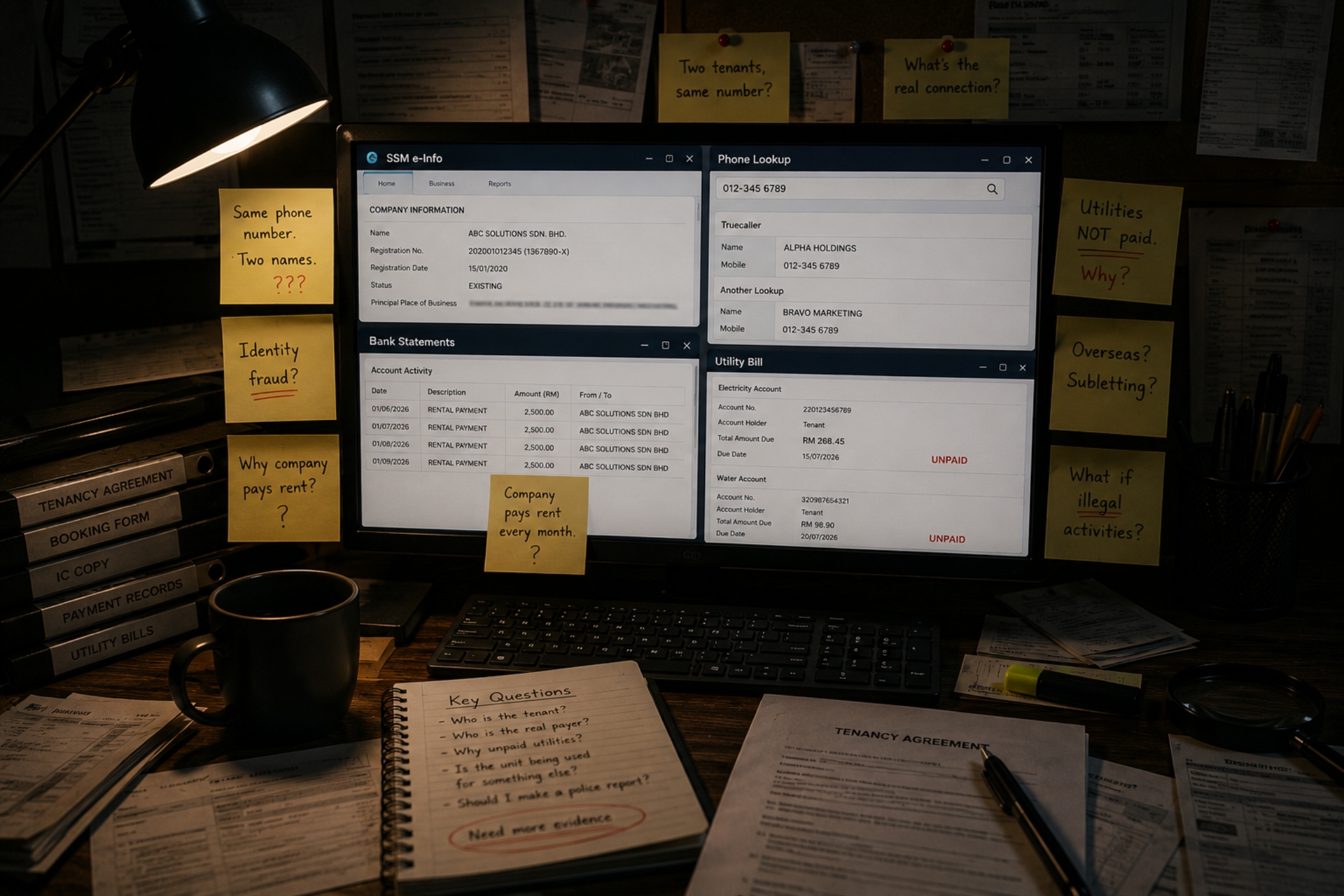
I decided to check the phone number using publicly available services.
One platform identified the number under one name.
“That’s odd.”
So I tried another platform.
A completely different name appeared.
Instead of solving the mystery, I had somehow made it more complicated.
Questions began multiplying.
Was someone using multiple identities?
Was one of the databases simply outdated?
Or was there another explanation entirely?
I didn’t know.
The Company Nobody Expected
Then I noticed something that had been hiding in plain sight.
Every rental payment.
Every single one.
Had been made by a company.
Not by the tenant.
I stared at the bank records again.
Sure enough, every month’s rental came from the same company.
Naturally, another round of questions followed.
Why would a company pay residential rent?
Was the tenant an employee?
Was this company providing accommodation for its staff?
Or was there another relationship I didn’t understand?
I carried out an SSM search.
The company was genuine.
It wasn’t fictitious.
It wasn’t a shell company.
It had proper incorporation records and registered directors.
One possible theory disappeared.
Several new ones immediately took its place.
When Our Minds Start Writing Their Own Story
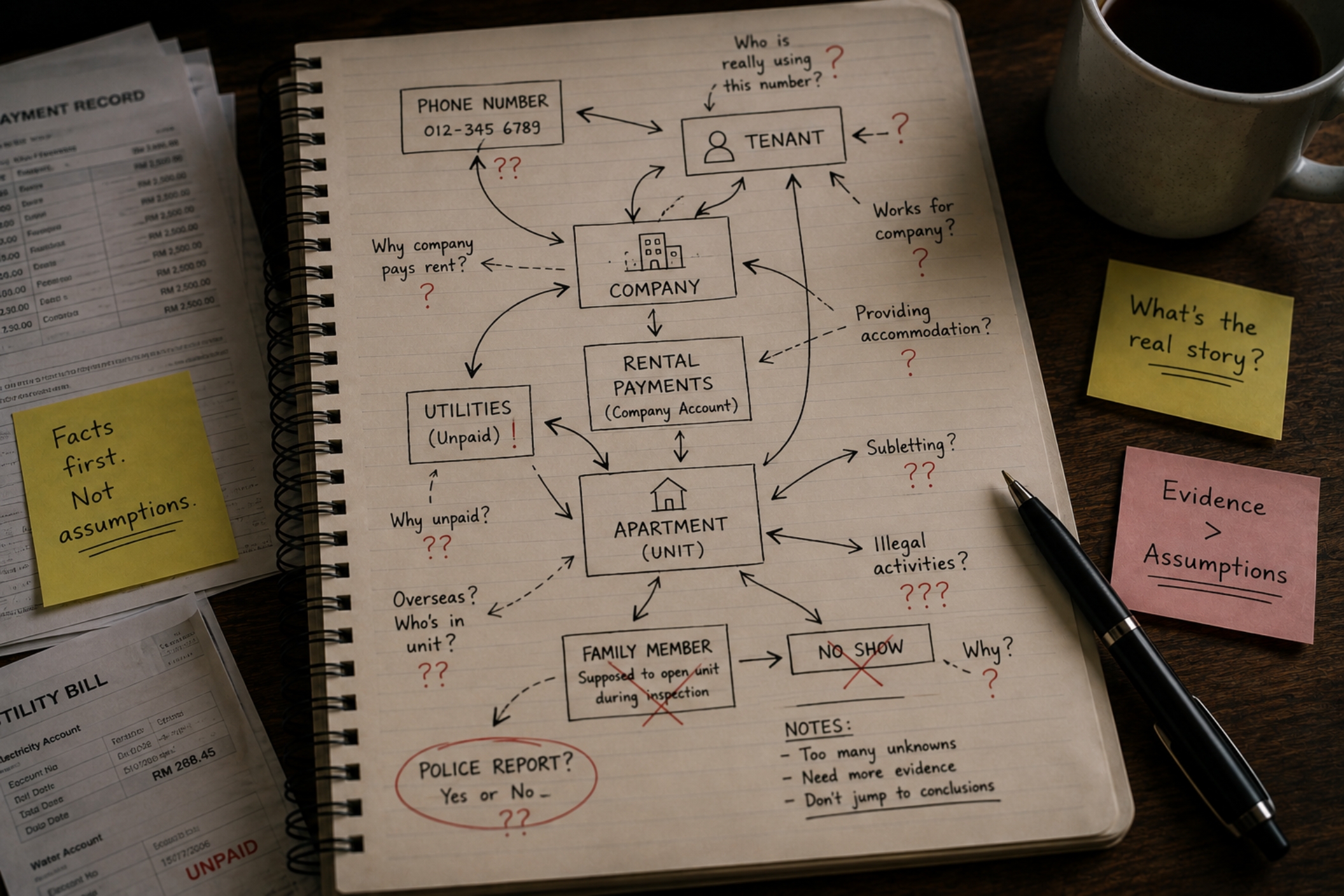
Human beings dislike unanswered questions.
When information is missing, our brains instinctively fill in the blanks.
Sometimes we’re right.
Sometimes we’re spectacularly wrong.
For a brief period, my imagination began racing ahead of the evidence.
Could somebody be using another person’s identity?
Could my property be used for illegal activities?
Was the tenant secretly subletting the unit?
Should I report everything to the police immediately?
Every unanswered question seemed to create another.
Fortunately, I stopped myself.
I reminded myself of something simple.
Being suspicious and having proof are two completely different things.
The Conversation That Changed Everything

Before taking any drastic action, I spoke to my property agent again.
That conversation changed the direction of my investigation.
She reminded me that she had personally met the tenant.
She had conducted the viewing herself.
She had verified the identity card.
She had witnessed the signing of the tenancy agreement.
She had personally handed over the keys.
Most importantly, she was confident that the individual she dealt with matched the identification documents provided during the tenancy process.
That didn’t answer every question.
But it significantly weakened one of my biggest concerns.
Perhaps this wasn’t identity fraud after all.
New Questions Replaced Old Ones
As time passed, my concerns shifted.
Identity fraud became less likely.
Tenancy management became the bigger issue.
Utility bills remained unpaid.
An inspection appointment had been arranged while the tenant claimed to be overseas. We were informed that a family member would be available to open the unit.
My agent arrived.
Nobody answered.
Later, we were told the family member had left because they couldn’t wait any longer.
Was that explanation genuine?
Possibly.
Could there have been another reason?
Possibly.
Once again, the evidence simply wasn’t strong enough to support either conclusion.
The Police Report That Was Never Made

There was a point where I had almost convinced myself to lodge a police report.
I even started preparing the documents.
Then I paused.
I asked myself a difficult question.
“Am I reporting evidence… or am I reporting suspicion?”
The answer mattered.
A responsible landlord should absolutely document unusual situations.
We should preserve evidence.
We should investigate inconsistencies.
But we also have a responsibility not to accuse people based purely on unanswered questions.
So I decided to wait.
To observe.
To continue documenting everything carefully.
Looking back, I still believe it was the right decision.
The Story Isn’t Over
As I write this article, the story hasn’t reached its ending.
The tenant has continued paying the monthly rent.
The outstanding utility bills remain unpaid.
The tenant has informed us of plans to move out at the end of the tenancy.
Perhaps, by the time you read this, everything will have a perfectly ordinary explanation.
Perhaps it won’t.
Only time will tell.
The Biggest Lesson
This experience changed the way I think about being a landlord.
Good landlords don’t panic.
Neither do they ignore warning signs.
They verify.
They document.
They investigate.
Most importantly, they remain willing to change their minds when new evidence appears.
That last part is surprisingly difficult.
Once we’ve convinced ourselves of a particular story, every new piece of information tends to reinforce what we already believe.
Real investigations work differently.
The conclusion should follow the evidence.
Not the other way around.
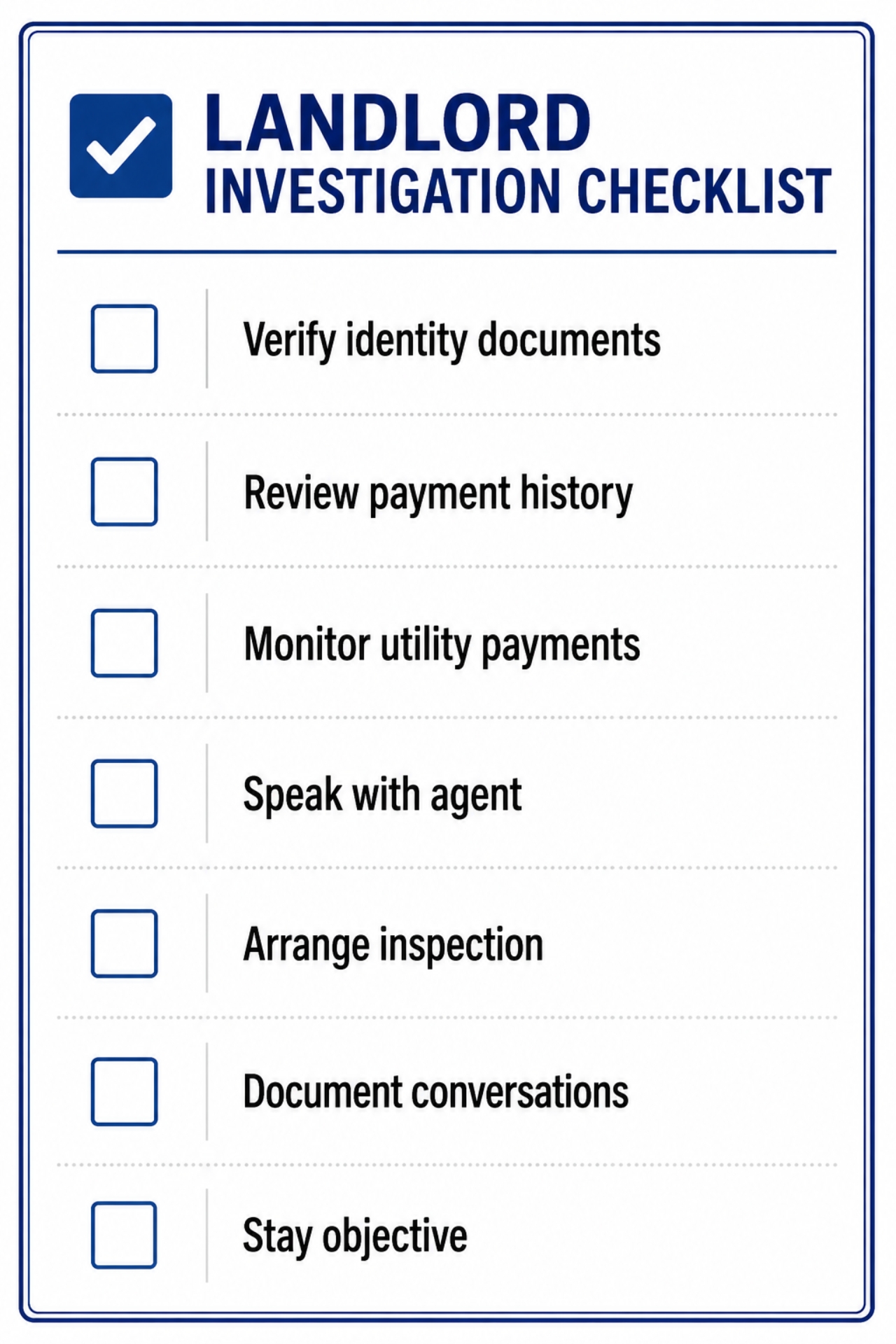
A Checklist Every Landlord Should Remember
Whenever something feels “off”, pause before jumping to conclusions and ask yourself:
- ✔ Have I verified the tenant’s identity documents?
- ✔ Have I spoken to my property agent?
- ✔ Have I reviewed all payment records carefully?
- ✔ Have I checked whether utility bills are up to date?
- ✔ Have I attempted to inspect the property?
- ✔ Am I relying on verified facts or assumptions?
- ✔ Have I documented every important conversation?
If you can honestly answer “yes” to those questions, you’re already handling the situation more responsibly than many landlords.
Final Thoughts
Months from now, I may eventually discover that every unusual detail had a perfectly reasonable explanation.
Or I may discover there was more to this story than I ever imagined.
Today, I still don’t know.
But I do know this.
Good landlords don’t just protect their properties.
They protect the truth.
That means asking difficult questions.
Keeping careful records.
Resisting the temptation to jump to conclusions.
And remembering that sometimes the hardest part of property management isn’t collecting rent.
It’s learning to live with uncertainty until the evidence finally catches up.

📋 Quick Reference